<?xml version="1.0" encoding="utf-8"?>
<feed xmlns="http://www.w3.org/2005/Atom" xmlns:media="http://search.yahoo.com/mrss/">
    <title>The Decor Palette</title>
    <link href="https://the-decor-palette.pages.dev/feed.xml" rel="self" />
    <link href="https://the-decor-palette.pages.dev" />
    <updated>2026-10-13T00:02:05+03:00</updated>
    <author>
        <name>James K. Perry</name>
    </author>
    <id>https://the-decor-palette.pages.dev</id>

    <entry>
        <title> Stylish Seating Ideas for Modern Living Rooms</title>
        <author>
            <name>James K. Perry</name>
        </author>
        <link href="https://the-decor-palette.pages.dev/stylish-seating-ideas-for-modern-living-rooms/"/>
        <id>https://the-decor-palette.pages.dev/stylish-seating-ideas-for-modern-living-rooms/</id>
        <media:content url="https://the-decor-palette.pages.dev/media/posts/15/lshaped1.jfif" medium="image" />
            <category term="Living Room Designs &amp; Sofas"/>
            <category term="L-Shaped Sectional Sofas"/>

        <updated>2026-10-12T23:10:05+03:00</updated>
            <summary type="html">
                <![CDATA[
                        <img src="https://the-decor-palette.pages.dev/media/posts/15/lshaped1.jfif" alt="" />
                    Creating a beautiful living room starts with choosing furniture that combines comfort,&hellip;
                ]]>
            </summary>
        <content type="html">
            <![CDATA[
                    <p><img src="https://the-decor-palette.pages.dev/media/posts/15/lshaped1.jfif" class="type:primaryImage" alt="" /></p>
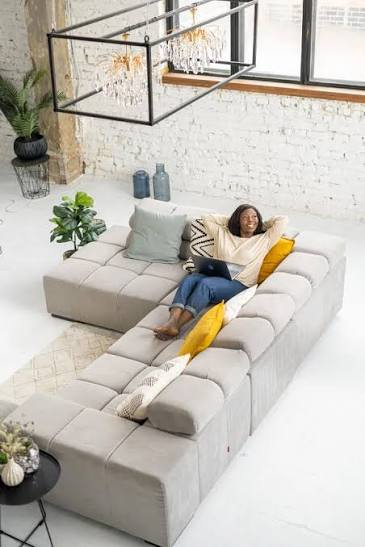
                <p style="text-align: left;">Creating a beautiful living room starts with choosing furniture that combines comfort, functionality, and visual appeal. The sofa is often the centerpiece of the space, influencing how the room looks and how people use it every day. <strong>L-Shaped Sectional Sofas</strong> are an increasingly popular choice for homeowners who want versatile seating, efficient space planning, and a sophisticated interior. Their distinctive design makes them suitable for contemporary apartments, spacious family rooms, and elegant entertaining areas.</p>
<p style="text-align: left;">Within the main category of <strong>Living Room Designs &amp; Sofas</strong>, L-shaped sectionals stand out for their ability to create inviting seating arrangements while complementing different decorating styles. Whether you prefer a minimalist interior or a luxurious living space, the right sectional can help bring your design vision to life.</p>
<h2 style="text-align: left;">What Are L-Shaped Sectional Sofas?</h2>
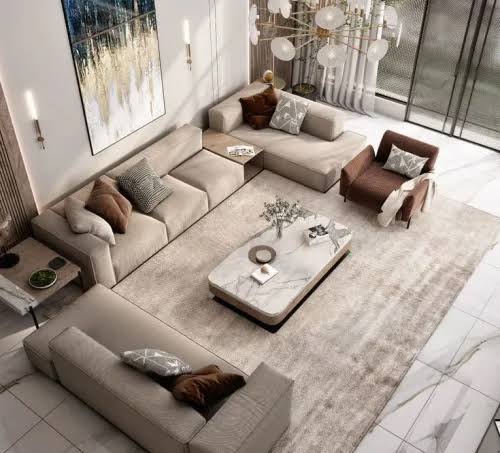
<p style="text-align: left;">L-shaped sectional sofas are seating arrangements made from connected sections that form the shape of the letter L. Typically, one section extends perpendicular to the main seating area, creating additional seats or a chaise-style space for stretching out and relaxing.</p>
<p style="text-align: left;">Unlike conventional three-seat sofas, these designs provide an integrated seating solution that can accommodate several people. They also reduce the need for multiple separate chairs, helping create a coordinated appearance throughout the living room.</p>
<p style="text-align: left;">Available in various sizes, colors, upholstery materials, and configurations, L-shaped sectionals offer flexibility for different homes. Some feature clean, contemporary lines, while others incorporate plush cushions, decorative upholstery, and elegant finishes.</p>
<h2 style="text-align: left;">Benefits of Choosing an L-Shaped Sectional Sofa</h2>
<p style="text-align: left;">One of the main advantages of <strong>L-Shaped Sectional Sofas</strong> is their ability to maximize seating without requiring numerous individual furniture pieces. This makes them particularly useful for families who regularly spend time together or homeowners who enjoy entertaining guests.</p>
<p style="text-align: left;">The extended section provides a comfortable place to recline, read, watch television, or simply relax after a busy day. Meanwhile, the main seating area allows family members and visitors to gather comfortably in one place.</p>
<p style="text-align: left;">Another advantage is efficient space utilization. An L-shaped sofa can fit naturally into a corner, transforming an underused area into a functional seating zone. In larger rooms, it can help organize the furniture layout and establish a clear focal point.</p>
<p style="text-align: left;">These practical benefits make sectional sofas an excellent option for homeowners who want their furniture to serve both aesthetic and everyday needs.</p>
<p> </p>
<figure class="post__image"><img loading="lazy"  src="https://the-decor-palette.pages.dev/media/posts/15/lshaped.jfif" alt="" width="689" height="647"></figure>
<h2 style="text-align: left;">L-Shaped Sectional Sofas in Living Room Designs &amp; Sofas</h2>
<p style="text-align: left;">When exploring <strong><a href="https://the-decor-palette.pages.dev/creating-comfortable-living-room-designs-and-sofas-in-compact-spaces/">Living Room Designs &amp; Sofas</a></strong>, it is important to choose a sofa that complements the room's overall appearance. Because sectionals occupy a significant amount of space, their shape, color, and proportions can influence the entire interior.</p>
<p style="text-align: left;">For a modern living room, consider a sectional with straight lines, understated detailing, and neutral upholstery. Gray, beige, cream, and taupe are versatile colors that work well with contemporary furniture and minimalist accessories.</p>
<p style="text-align: left;">For a more luxurious atmosphere, choose rich textures, deep cushions, and sophisticated upholstery. Velvet-inspired fabrics or elegant leather finishes can create a refined appearance when paired with carefully selected lighting and decorative accessories.</p>
<p style="text-align: left;">Traditional interiors can also benefit from L-shaped sectionals. Designs featuring softer silhouettes, warm colors, and classic fabric patterns can complement wooden furniture, decorative rugs, and timeless accessories.</p>
<p style="text-align: left;">The key is to create a balanced design in which the sofa complements the room instead of competing with its other elements.</p>
<h2 style="text-align: left;">How to Choose the Right Size</h2>
<p style="text-align: left;">Selecting the correct size is essential when shopping for <strong>L-Shaped Sectional Sofas</strong>. A sectional that is too large can make a living room feel crowded, while a smaller design may not provide enough seating for your household.</p>
<p style="text-align: left;">Start by measuring the available floor space and the walls where you intend to position the sofa. Consider the location of doors, windows, entertainment units, and other furniture. Leave enough room for comfortable movement around the seating area.</p>
<p style="text-align: left;">The depth of the sofa also matters. Deep seating can provide additional lounging comfort, but it may occupy more space than expected.</p>
<p style="text-align: left;">Before purchasing, determine whether the extended section should face left or right. Some designs offer reversible configurations, providing more flexibility when arranging furniture. Measuring doorways and hallways is also important to ensure the sofa can be delivered without difficulty.</p>
<h2 style="text-align: left;">Choosing Upholstery and Colors</h2>
<p style="text-align: left;">The material you select affects the sofa's appearance, comfort, and maintenance requirements. Fabric sectionals are available in a wide variety of textures and colors, making them suitable for almost any interior design scheme.</p>
<p style="text-align: left;">For everyday family use, consider durable upholstery that is relatively easy to clean. Removable cushion covers, where available, can also simplify maintenance.</p>
<p style="text-align: left;">Leather sectionals offer a distinctive appearance that can complement modern, transitional, and classic living rooms. Your choice should reflect your lifestyle, preferred aesthetic, and willingness to maintain the material.</p>
<p style="text-align: left;">Color selection is equally important. Neutral shades provide flexibility when updating accessories, while darker colors can introduce contrast and visual depth. If the rest of the room features understated colors, a bold sectional can become an attractive statement piece.</p>
<h2 style="text-align: left;">Creating a Comfortable Seating Arrangement</h2>
<p style="text-align: left;">Comfort should be a priority when comparing sectional sofas. Consider seat depth, cushion firmness, back support, and armrest height before making a final decision.</p>
<p style="text-align: left;">If your living room is primarily used for movie nights and relaxation, a deep sectional with soft cushions may be a suitable choice. For a room designed around conversation and entertaining, a more structured sofa may provide better support.</p>
<p style="text-align: left;">The placement of the sectional can improve the room's functionality. Position it toward a television, fireplace, or attractive architectural feature to create a natural focal point.</p>
<p style="text-align: left;">Keep sufficient space between the sofa and coffee table, allowing people to sit down and stand up comfortably. Clear pathways are particularly important in busy family homes.</p>
<h2 style="text-align: left;">Decorating Around an L-Shaped Sectional</h2>
<p style="text-align: left;">The right accessories can transform a sectional into the foundation of a cohesive living room design. A coffee table provides a practical surface and connects the different seating sections visually.</p>
<p style="text-align: left;">An area rug can define the seating zone, especially in open-plan interiors. Choose a rug that relates to the size of the sofa rather than one that appears too small beneath it.</p>
<p style="text-align: left;">Decorative pillows and throws introduce color, texture, and personality. They can coordinate with curtains, artwork, or accent furniture to create a consistent color scheme.</p>
<p style="text-align: left;">Lighting also contributes to the atmosphere. Floor lamps, table lamps, and ceiling fixtures can make the room feel warmer and more inviting. However, avoid adding too many accessories or furniture pieces, as overcrowding can reduce the benefits of the sectional's streamlined arrangement.</p>
<h2 style="text-align: left;">L-Shaped Sectionals for Small and Open-Plan Living Rooms</h2>
<p style="text-align: left;">L-shaped sectionals are not limited to large homes. Compact designs can work well in smaller apartments when their dimensions are carefully selected. A sectional positioned against a wall or in a corner may provide generous seating while leaving more floor space available for movement.</p>
<p style="text-align: left;">In open-plan homes, these sofas can help separate the living area from the kitchen or dining room without installing walls. Positioning the back of the sectional toward the dining area creates a visual boundary while maintaining an open, connected atmosphere.</p>
<p style="text-align: left;">For smaller rooms, consider streamlined arms, lighter upholstery, and minimal accessories. In larger spaces, a generously sized sectional can anchor the seating arrangement and create a comfortable gathering area.</p>
<h2 style="text-align: left;">Maintaining Your Sectional Sofa</h2>
<p style="text-align: left;">Regular care can help preserve the appearance and comfort of your sofa. Vacuum fabric upholstery according to the manufacturer's recommendations, address spills promptly, and use cleaning products suitable for the specific material.</p>
<p style="text-align: left;">For leather furniture, follow the manufacturer's care instructions and avoid products that may damage the finish. Rotating or rearranging removable cushions periodically can also help distribute everyday wear more evenly.</p>
<p style="text-align: left;">Before purchasing, review the manufacturer's cleaning guidance, warranty, construction details, and delivery requirements. These considerations can help you choose a sectional that suits your needs over the long term.</p>
<h2 style="text-align: left;">Conclusion</h2>
<p style="text-align: left;"><strong>L-Shaped Sectional Sofas</strong> combine practical seating, flexible styling, and efficient space planning, making them an appealing choice for a wide range of homes. From compact apartments to spacious family rooms, they can create a welcoming environment while complementing different interior styles.</p>
<p style="text-align: left;">As an important part of <strong><a href="https://www.trendhunter.com/trending/cards/renter-friendly-ideas-that-make-your-rental-feel-like-your-own" target="_blank" rel="noopener noreferrer">Living Room Designs &amp; Sofas</a></strong>, these sectionals offer a versatile foundation for contemporary, traditional, and luxurious interiors. By considering your room dimensions, upholstery preferences, comfort requirements, and furniture arrangement, you can select a sofa that enhances both the appearance and functionality of your living space.</p>
<p style="text-align: left;">With the right sectional and thoughtful accessories, your living room can become a comfortable, stylish place for relaxing, entertaining, and spending quality time with family and friends.</p>
            ]]>
        </content>
    </entry>
    <entry>
        <title> How to Create a Sophisticated Living Room with Luxurious Seating</title>
        <author>
            <name>James K. Perry</name>
        </author>
        <link href="https://the-decor-palette.pages.dev/how-to-create-a-sophisticated-living-room-with-luxurious-seating/"/>
        <id>https://the-decor-palette.pages.dev/how-to-create-a-sophisticated-living-room-with-luxurious-seating/</id>
        <media:content url="https://the-decor-palette.pages.dev/media/posts/14/velvet.jfif" medium="image" />
            <category term="Velvet Couches"/>
            <category term="Living Room Designs &amp; Sofas"/>

        <updated>2026-10-12T23:07:28+03:00</updated>
            <summary type="html">
                <![CDATA[
                        <img src="https://the-decor-palette.pages.dev/media/posts/14/velvet.jfif" alt="" />
                    The right sofa can completely change the atmosphere of a living room.
                ]]>
            </summary>
        <content type="html">
            <![CDATA[
                    <p><img src="https://the-decor-palette.pages.dev/media/posts/14/velvet.jfif" class="type:primaryImage" alt="" /></p>
                <p style="text-align: left;">The right sofa can completely change the atmosphere of a living room. While shape and size are important, upholstery also plays a major role in determining how furniture looks and feels. <strong>Velvet Couches</strong> have become a popular choice for homeowners who want to introduce a sense of luxury, softness, and character into their homes. With their distinctive texture and rich appearance, velvet sofas can work as both comfortable seating and a striking design feature.</p>
<p style="text-align: left;">As part of <strong>Living Room Designs &amp; Sofas</strong>, velvet couches provide plenty of opportunities for creating different interior styles. rom sophisticated modern spaces to classic rooms filled with elegant details, velvet can adapt to a wide range of decorating ideas.</p>
<h2 style="text-align: left;">The Appeal of Velvet Furniture</h2>
<p style="text-align: left;">Velvet has a distinctive surface that reflects light in different directions, creating subtle changes in tone and depth. This characteristic gives a velvet couch a rich appearance that can make even a simple silhouette look more refined.</p>
<p style="text-align: left;">The material also has a naturally soft feel. When used on a sofa, this texture can make the seating area feel warm and inviting. It is especially effective in rooms where comfort and visual elegance are equally important.</p>
<p style="text-align: left;">Modern velvet upholstery is available in many forms, allowing homeowners to select a design that matches their lifestyle and décor. Some couches have minimalist frames, while others feature tufted backs, curved arms, decorative legs, or oversized cushions.</p>
<h2 style="text-align: left;">Why Choose Velvet Couches?</h2>
<p style="text-align: left;">One of the main advantages of <strong><a href="https://the-decor-palette.pages.dev/modern-ideas-for-stylish-wall-colors-and-accent-paints/">Velvet Couches</a></strong> is their ability to make a strong visual impression. Because velvet has a distinctive texture, it can become a focal point without requiring elaborate furniture details.</p>
<p style="text-align: left;">The fabric also works beautifully with a wide range of colors. Deep jewel tones can create a dramatic appearance, while neutral shades can produce a calmer and more understated interior.</p>
<p style="text-align: left;">Velvet can also introduce contrast when combined with other materials. A velvet couch placed next to a glass coffee table, wooden furniture, or metal lighting fixtures can create a balanced mixture of textures.</p>
<p style="text-align: left;">For homeowners who want their living room to feel sophisticated without looking overly formal, velvet can offer the right combination of comfort and style.</p>
<h2 style="text-align: left;">Incorporating Velvet Couches into Living Room Designs &amp; Sofas</h2>
<p style="text-align: left;">When planning <strong>Living Room Designs &amp; Sofas</strong>, start by considering the overall style of the room. The shape of the couch should complement the architecture, while its color should work with the existing palette.</p>
<p style="text-align: left;">A modern velvet couch with a simple silhouette can work well in a minimalist room. Pair it with clean-lined furniture, simple artwork, and uncluttered accessories for a contemporary appearance.</p>
<p style="text-align: left;">In a classic interior, a velvet sofa with button tufting, rounded arms, or decorative legs can reinforce the traditional character of the space.</p>
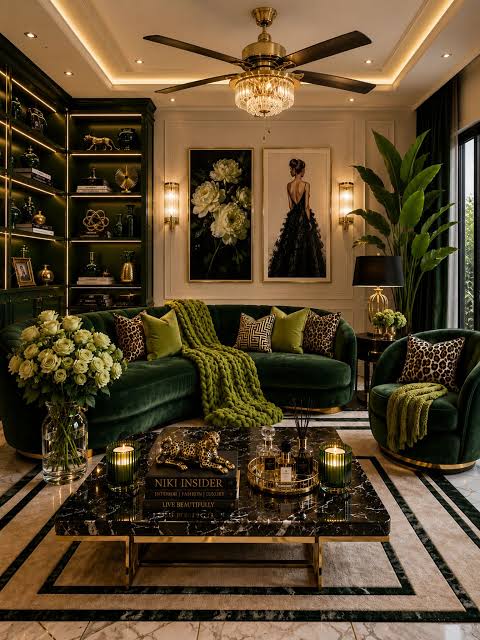
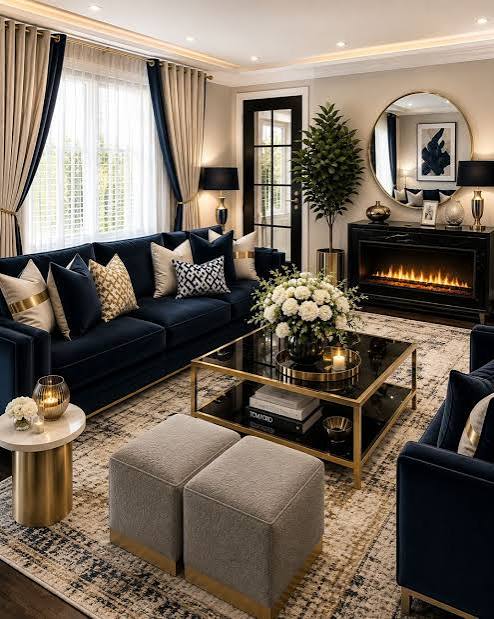
<p style="text-align: left;">For a luxurious living room, combine velvet with sophisticated materials such as marble, polished metal, glass, or rich wood. Decorative lighting and carefully chosen accessories can further enhance the elegant atmosphere.</p>
<p> </p>
<figure class="post__image"><img loading="lazy"  src="https://the-decor-palette.pages.dev/media/posts/14/velvet-1.jfif" alt="" width="698" height="694"></figure>
<h2 style="text-align: left;">Choosing the Best Velvet Color</h2>
<p style="text-align: left;">Color is one of the most important decisions when selecting <strong>Velvet Couches</strong>. Because the fabric responds strongly to light, velvet colors can appear especially rich and dimensional.</p>
<p style="text-align: left;">Emerald green is an excellent choice for homeowners who want a dramatic and sophisticated look. Navy blue provides a timeless appearance and works particularly well with neutral surroundings.</p>
<p style="text-align: left;">Burgundy and wine-colored velvet can create warmth and visual depth, while charcoal gray provides a contemporary alternative to traditional black furniture.</p>
<p style="text-align: left;">If you prefer a brighter interior, consider cream, beige, ivory, or light gray velvet. These shades can make the room feel calm and allow other decorative elements to become more prominent.</p>
<p style="text-align: left;">When selecting a color, look at the room at different times of day to understand how natural and artificial light affect the upholstery.</p>
<h2 style="text-align: left;">Finding the Right Sofa Size</h2>
<p style="text-align: left;">The size of the couch should be proportional to the living room. A large velvet sofa may look impressive in a spacious room but can overwhelm a small apartment.</p>
<p style="text-align: left;">Measure the available floor area before shopping. Consider the sofa's length, depth, and height, as well as the location of doors, windows, walkways, and other furniture.</p>
<p style="text-align: left;">For compact spaces, choose a streamlined sofa with a smaller footprint. If you have a large living room, a generously sized couch can anchor the seating arrangement.</p>
<p style="text-align: left;">Remember to measure entryways and hallways as well. A beautiful couch will not be practical if it cannot be moved comfortably into the room.</p>
<h2 style="text-align: left;">Comfort and Construction</h2>
<p style="text-align: left;">A stylish sofa should also be comfortable and well constructed. When considering <strong>Velvet Couches</strong>, pay attention to the quality of the frame, cushioning, upholstery, and support.</p>
<p style="text-align: left;">Think about how you normally use the living room. If you spend long periods watching television or relaxing, a deeper seat and softer cushions may be preferable.</p>
<p style="text-align: left;">For formal entertaining, a more structured couch may provide better support and maintain a polished appearance.</p>
<p style="text-align: left;">The height of the back and arms can also affect comfort. If possible, test the sofa before purchasing or carefully review its dimensions and specifications.</p>
<h2 style="text-align: left;">Creating a Balanced Seating Area</h2>
<p style="text-align: left;">Once you have selected your velvet couch, arrange the rest of the furniture around it. A coffee table can provide a central surface while maintaining a comfortable distance from the seating.</p>
<p style="text-align: left;">An area rug can visually define the living room and connect the sofa with accent furniture. Choose a rug that is large enough to create a unified seating zone.</p>
<p style="text-align: left;">Accent chairs can provide additional seating without matching the couch exactly. Consider using different upholstery textures while keeping the colors coordinated.</p>
<p style="text-align: left;">Lighting is another important element. A floor lamp beside the sofa can create a comfortable reading area, while overhead lighting can illuminate the entire room.</p>
<h2 style="text-align: left;">Accessories That Enhance Velvet</h2>
<p style="text-align: left;">Because velvet already provides texture, accessories should complement rather than compete with the upholstery.</p>
<p style="text-align: left;">Decorative pillows can introduce patterns or contrasting fabrics. Linen, cotton, woven materials, and subtle patterns can provide an interesting counterpoint to velvet.</p>
<p style="text-align: left;">Throws can make the sofa appear even more inviting. Choose a color that complements the couch rather than matching it exactly.</p>
<p style="text-align: left;">Artwork, mirrors, plants, and decorative objects can further personalize the room. The goal is to create a cohesive environment where the velvet sofa feels like an intentional part of the overall design.</p>
<h2 style="text-align: left;">Maintaining Velvet Couches</h2>
<p style="text-align: left;">Proper care is important for preserving the appearance of velvet upholstery. Always follow the manufacturer's cleaning instructions, as different velvet materials may have specific maintenance requirements.</p>
<p style="text-align: left;">Regular vacuuming with a suitable upholstery attachment can help remove dust and debris. Spills should be addressed promptly using the recommended cleaning method.</p>
<p style="text-align: left;">Avoid aggressive rubbing, which may affect the direction and appearance of the velvet pile. It is also advisable to consider the sofa's exposure to direct sunlight and follow the manufacturer's recommendations to help prevent fading.</p>
<p style="text-align: left;">With consistent care, a quality velvet sofa can remain an attractive feature of your living room for many years.</p>
<h2 style="text-align: left;">Velvet Couches as a Long-Term Design Choice</h2>
<p style="text-align: left;">Interior trends change, but velvet has remained a recognizable furniture material for generations. Its combination of texture, color, and elegance allows it to work with evolving décor.</p>
<p style="text-align: left;">Instead of replacing the sofa whenever you want a new look, you can update the surrounding elements. Changing cushions, rugs, curtains, artwork, and accent furniture can give the room an entirely different appearance while keeping the same velvet couch.</p>
<p style="text-align: left;">This versatility makes velvet a practical option for homeowners who want furniture that can adapt to future design changes.</p>
<h2 style="text-align: left;">Conclusion</h2>
<p style="text-align: left;"><strong>Velvet Couches</strong> can bring together comfort, character, and sophistication in one statement piece. Their distinctive texture and extensive range of colors make them suitable for numerous interior styles and living room layouts.</p>
<p style="text-align: left;">As an important part of <strong>Living Room Designs &amp; Sofas</strong>, velvet furniture can enhance modern, traditional, transitional, and luxurious interiors. Whether you choose a bold jewel tone or a soft neutral shade, the right velvet couch can establish the foundation for a beautiful and welcoming seating area.</p>
<p style="text-align: left;">By considering the sofa's dimensions, construction, color, comfort, and maintenance requirements, you can make a confident choice. Add complementary lighting, rugs, tables, and accessories, and your velvet couch can become the defining feature of a living room designed for both everyday comfort and timeless style.</p>
            ]]>
        </content>
    </entry>
    <entry>
        <title>Creating Comfortable Living Room Designs &amp; Sofas in Compact Spaces</title>
        <author>
            <name>James K. Perry</name>
        </author>
        <link href="https://the-decor-palette.pages.dev/creating-comfortable-living-room-designs-and-sofas-in-compact-spaces/"/>
        <id>https://the-decor-palette.pages.dev/creating-comfortable-living-room-designs-and-sofas-in-compact-spaces/</id>
        <media:content url="https://the-decor-palette.pages.dev/media/posts/13/l-shaped.jfif" medium="image" />
            <category term="Small Layouts"/>
            <category term="Living Room Designs &amp; Sofas"/>

        <updated>2026-10-12T23:01:36+03:00</updated>
            <summary type="html">
                <![CDATA[
                        <img src="https://the-decor-palette.pages.dev/media/posts/13/l-shaped.jfif" alt="" />
                    A well-designed living room does not need to be large to feel&hellip;
                ]]>
            </summary>
        <content type="html">
            <![CDATA[
                    <p><img src="https://the-decor-palette.pages.dev/media/posts/13/l-shaped.jfif" class="type:primaryImage" alt="" /></p>
                <p style="text-align: left;">A well-designed living room does not need to be large to feel luxurious, comfortable, and inviting. As homes and apartments become more compact, homeowners are looking for creative ways to make limited spaces work without giving up attractive furniture or personal style. Thoughtful <strong>Small Layouts</strong> can transform a compact living area into a functional space that feels organized, spacious, and welcoming.</p>
<p style="text-align: left;">Within the broader category of <strong>Living Room Designs &amp; Sofas</strong>, small-space planning requires careful attention to proportions, furniture placement, seating, storage, and visual balance. The goal is not simply to place smaller furniture inside a small room. Instead, every element should be selected and arranged according to the room's dimensions and the way it will be used.</p>
<h2 style="text-align: left;">Start With the Room's Natural Flow</h2>
<p style="text-align: left;">Before choosing a sofa or moving furniture into a compact living room, consider how people move through the space. Doors, hallways, windows, and entrances naturally create traffic paths that should remain accessible.</p>
<p style="text-align: left;">Measure the room and identify the areas that need to stay open. This simple step can prevent furniture from blocking important pathways and can make the finished arrangement feel much more comfortable.</p>
<p style="text-align: left;">When planning <strong><a href="https://the-decor-palette.pages.dev/modern-ideas-for-stylish-wall-colors-and-accent-paints/">Small Layouts</a></strong>, avoid focusing only on the walls. Think about the entire floor area and how people will move from one part of the home to another.</p>
<h2 style="text-align: left;">Choose a Sofa That Fits the Scale</h2>
<p style="text-align: left;">The sofa is often the most important furniture piece in a living room. In a compact space, its proportions can determine whether the room feels balanced or overcrowded.</p>
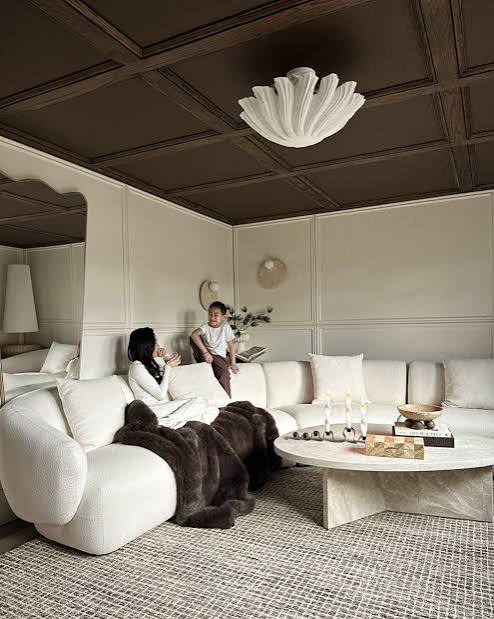
<p style="text-align: left;">A sofa with a streamlined silhouette, narrow arms, and moderate depth can provide generous seating while occupying less visual space. Raised legs can also create a lighter appearance because more of the floor remains visible.</p>
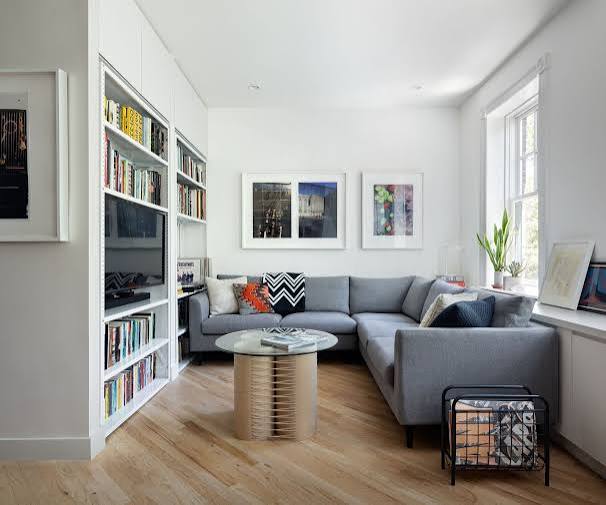
<p style="text-align: left;">A compact sectional may work particularly well in rooms with an unused corner. Instead of combining a sofa and several separate chairs, a sectional can provide multiple seats in one coordinated design.</p>
<p style="text-align: left;">When selecting furniture within <strong>Living Room Designs &amp; Sofas</strong>, always compare the sofa's dimensions with the available space before making a purchase.</p>
<p> </p>
<figure class="post__image"><img loading="lazy"  src="https://the-decor-palette.pages.dev/media/posts/13/l-shaped1.jfif" alt="" width="740" height="565"></figure>
<h2 style="text-align: left;">Consider the Number of Seats You Actually Need</h2>
<p style="text-align: left;">Small living rooms do not necessarily need a large number of seats. Instead of filling the space with multiple chairs, consider how many people normally use the room.</p>
<p style="text-align: left;">A comfortable sofa combined with one compact accent chair may be enough for a small household. An ottoman can provide flexible additional seating when guests arrive without permanently taking up as much space as another chair.</p>
<p style="text-align: left;">This approach creates more open floor area while still maintaining enough seating for everyday use.</p>
<h2 style="text-align: left;">Use the Corners Efficiently</h2>
<p style="text-align: left;">Corners can provide valuable seating and storage opportunities. A correctly sized sectional can turn an unused corner into a practical seating area, while a narrow bookshelf can transform another corner into useful storage.</p>
<p style="text-align: left;">A small side table, floor lamp, or decorative plant may also fit into a corner without interfering with the main seating area.</p>
<p style="text-align: left;">However, not every corner needs furniture. Leaving selected areas open can create visual breathing room and make the entire room feel less crowded.</p>
<p style="text-align: left;">Successful <strong>Small Layouts</strong> depend on finding the right balance between using space and leaving space open.</p>
<h2 style="text-align: left;">Select Multifunctional Furniture</h2>
<p style="text-align: left;">Furniture that performs more than one function can make compact living rooms considerably easier to organize.</p>
<p style="text-align: left;">An ottoman can serve as seating, a footrest, or a coffee table when paired with a tray. A storage bench can provide additional seating while hiding blankets, books, or other belongings.</p>
<p style="text-align: left;">Nesting tables are another useful option. When separated, they provide multiple surfaces; when grouped together, they occupy less floor space.</p>
<p style="text-align: left;">Multifunctional pieces allow homeowners to adapt their living room to different situations without introducing unnecessary furniture.</p>
<h2 style="text-align: left;">Keep Furniture Visually Light</h2>
<p style="text-align: left;">The physical size of furniture is important, but its visual weight matters too. A bulky sofa with thick arms and a heavy base can make a small room appear more crowded.</p>
<p style="text-align: left;">Furniture with slimmer frames, exposed legs, and open bases can create a lighter appearance. Glass or open-frame tables can also reduce visual heaviness.</p>
<p style="text-align: left;">These details can make a noticeable difference when creating <strong>Small Layouts</strong>, especially when several furniture pieces must share a limited floor area.</p>
<h2 style="text-align: left;">Use the Walls to Your Advantage</h2>
<p style="text-align: left;">When there is little floor space available, vertical areas become extremely valuable. Wall-mounted shelves, tall cabinets, and floating storage can provide organization without taking up valuable walking space.</p>
<p style="text-align: left;">Artwork can also be arranged vertically to draw attention upward. This can create a stronger sense of height and make the room feel more visually expansive.</p>
<p style="text-align: left;">Wall-mounted lighting is another smart solution. Sconces can provide useful illumination without requiring additional table or floor space.</p>
<h2 style="text-align: left;">Choose Colors That Support the Layout</h2>
<p style="text-align: left;">A carefully selected color palette can help a compact living room feel more unified. Light neutrals such as cream, beige, ivory, and soft gray are popular choices because they reflect light and create an airy appearance.</p>
<p style="text-align: left;">However, small spaces can still benefit from bold colors. Instead of using strong shades across every surface, introduce them through cushions, artwork, rugs, or a single accent chair.</p>
<p style="text-align: left;">Using complementary tones throughout the room can prevent the space from feeling visually divided.</p>
<p style="text-align: left;">For <strong>Living Room Designs &amp; Sofas</strong>, coordinating the sofa with the walls, rug, and surrounding furniture can create a more cohesive appearance.</p>
<h2 style="text-align: left;">Select a Coffee Table Carefully</h2>
<p style="text-align: left;">A coffee table should provide functionality without interfering with movement. In a compact room, an oversized table can quickly become an obstacle.</p>
<p style="text-align: left;">Round or oval tables can be practical because their curved edges make it easier to move around them. A narrow rectangular table can work well when the sofa is positioned along a longer wall.</p>
<p style="text-align: left;">Nesting tables offer even more flexibility because they can be expanded when additional surfaces are needed and reduced when more floor space is desirable.</p>
<h2 style="text-align: left;">Create Storage Without Creating Clutter</h2>
<p style="text-align: left;">Storage is particularly important in small living rooms. Without a place for everyday items, surfaces can quickly become cluttered.</p>
<p style="text-align: left;">Look for furniture that includes hidden storage, such as storage ottomans, benches, cabinets, or side tables with drawers. Floating shelves can also provide space for books and decorative objects while keeping the floor clear.</p>
<p style="text-align: left;">A clutter-free room will naturally feel more spacious, even when the actual dimensions have not changed.</p>
<h2 style="text-align: left;">Maximize Natural Light</h2>
<p style="text-align: left;">Natural light can dramatically improve the atmosphere of a compact living room. Whenever possible, keep windows clear and avoid placing oversized furniture directly in front of them.</p>
<p style="text-align: left;">Light curtains can allow daylight to enter while maintaining privacy. Mirrors can also reflect natural light and create the impression of greater depth.</p>
<p style="text-align: left;">Place a mirror where it can reflect a window, an attractive piece of furniture, or another source of light. This simple design technique can make a compact room feel brighter and more open.</p>
<h2 style="text-align: left;">Layer Your Lighting</h2>
<p style="text-align: left;">A single overhead light may not be enough to create a comfortable atmosphere. Layered lighting can make a small living room feel more sophisticated.</p>
<p style="text-align: left;">Combine ceiling lighting with table lamps, wall sconces, or a slim floor lamp. Different lighting sources can define areas within the room while providing flexibility for different activities.</p>
<p style="text-align: left;">Warm lighting can create a relaxed atmosphere in the evening, while brighter task lighting can support reading or other activities.</p>
<h2 style="text-align: left;">Keep Decoration Intentional</h2>
<p style="text-align: left;">Decorating a small living room requires restraint. Too many accessories can overwhelm the available space and compete with the furniture.</p>
<p style="text-align: left;">Choose a few meaningful or visually strong pieces instead. A textured rug, statement artwork, coordinated cushions, and a small selection of decorative objects can add personality without creating clutter.</p>
<p style="text-align: left;">The same principle applies to furniture. A carefully selected sofa and accent chair can often create a stronger design than a room filled with unnecessary pieces.</p>
<h2 style="text-align: left;">Make Comfort the Priority</h2>
<p style="text-align: left;">Although maximizing space is important, comfort should never be sacrificed. A living room should be somewhere people can relax, entertain, and spend time together.</p>
<p style="text-align: left;">Make sure the sofa provides adequate support and that there is enough room to sit, stand, and move comfortably. Tables should be positioned within easy reach without obstructing pathways.</p>
<p style="text-align: left;">The best <strong>Small Layouts</strong> balance practical requirements with aesthetic appeal, ensuring that the room works well every day.</p>
<h2 style="text-align: left;">Conclusion</h2>
<p style="text-align: left;">Creating successful <strong>Small Layouts</strong> requires more than choosing compact furniture. It involves understanding the room's proportions, maintaining clear pathways, selecting a sofa that fits the available space, and using multifunctional furniture wherever possible.</p>
<p style="text-align: left;">Within <strong>Living Room Designs &amp; Sofas</strong>, every piece should contribute to the overall design while supporting the way the room is used. Light visual profiles, coordinated colors, vertical storage, layered lighting, and carefully chosen accessories can help a compact living room feel larger and more comfortable.</p>
<p style="text-align: left;">A small living room can still have a sophisticated personality. With thoughtful planning and the right furniture choices, limited square footage can become an advantage, allowing you to create a carefully curated space that combines functionality, comfort, and timeless style.</p>
            ]]>
        </content>
    </entry>
    <entry>
        <title>Creative Lighting Solutions for Modern Home Lighting &amp; Lamps</title>
        <author>
            <name>James K. Perry</name>
        </author>
        <link href="https://the-decor-palette.pages.dev/creative-lighting-solutions-for-modern-home-lighting-and-lamps/"/>
        <id>https://the-decor-palette.pages.dev/creative-lighting-solutions-for-modern-home-lighting-and-lamps/</id>
        <media:content url="https://the-decor-palette.pages.dev/media/posts/12/led-stips.jfif" medium="image" />
            <category term="LED Strips"/>
            <category term="Home Lighting &amp; Lamps"/>

        <updated>2026-10-12T22:54:08+03:00</updated>
            <summary type="html">
                <![CDATA[
                        <img src="https://the-decor-palette.pages.dev/media/posts/12/led-stips.jfif" alt="" />
                    Lighting plays an essential role in creating a comfortable, attractive, and functional&hellip;
                ]]>
            </summary>
        <content type="html">
            <![CDATA[
                    <p><img src="https://the-decor-palette.pages.dev/media/posts/12/led-stips.jfif" class="type:primaryImage" alt="" /></p>
                <p style="text-align: left;">Lighting plays an essential role in creating a comfortable, attractive, and functional home. While traditional fixtures remain popular, modern homeowners are increasingly looking for flexible lighting solutions that can adapt to different spaces and design styles. <strong>LED Strips</strong> are one of the most versatile options available today, offering an easy way to add brightness, atmosphere, and visual interest to almost any room.</p>
<p style="text-align: left;">As part of <strong>Home Lighting &amp; Lamps</strong>, LED strip lighting can be used for both practical illumination and decorative purposes. From highlighting architectural features to creating a soft glow behind furniture, these flexible lights allow homeowners to experiment with different lighting effects without changing the entire design of a room.</p>
<h2 style="text-align: left;">What Are LED Strips?</h2>
<p style="text-align: left;">LED strips are flexible lighting products made with small light-emitting diodes arranged along a narrow strip. Their slim profile allows them to fit into areas where conventional lamps and fixtures may be difficult to install. They can be placed under cabinets, behind furniture, around mirrors, along shelves, or near ceilings to create a customized lighting effect.</p>
<p style="text-align: left;">One of their biggest advantages is their flexibility. Depending on the design and installation requirements, LED strips can provide subtle accent lighting or stronger illumination. This makes them suitable for bedrooms, living rooms, kitchens, hallways, offices, and entertainment areas.</p>
<h2 style="text-align: left;">Why Choose LED Strips for Your Home?</h2>
<p style="text-align: left;">Modern interiors often require more than one light source. A central ceiling fixture may provide general illumination, but additional lighting can help define different areas and create a more inviting atmosphere. LED strips are particularly useful because they can complement existing fixtures while adding another layer of light.</p>
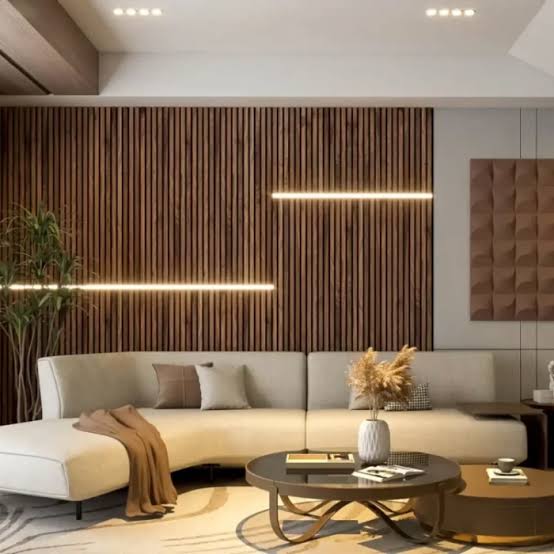
<p style="text-align: left;">They can also help emphasize specific architectural or decorative elements. For example, placing lighting beneath a floating shelf can make the shelf appear lighter and more visually interesting. Similarly, installing strips behind a television or headboard can create a soft background glow.</p>
<p style="text-align: left;">Their compact design also makes them an excellent choice for modern homes where clean lines and uncluttered interiors are important.</p>
<p> </p>
<figure class="post__image"><img loading="lazy"  src="https://the-decor-palette.pages.dev/media/posts/12/led-strip.jfif" alt="" width="719" height="421"></figure>
<h2 style="text-align: left;">Brighten Kitchen Cabinets and Countertops</h2>
<p style="text-align: left;">The kitchen is one of the most practical places to use LED strip lighting. Installing strips underneath wall cabinets can illuminate countertops and make food preparation areas easier to see. This type of lighting can also improve the overall appearance of the kitchen by creating a warm and polished effect.</p>
<p style="text-align: left;">For a contemporary kitchen, strips can be installed beneath cabinets, inside selected storage areas, or along open shelving. The result is additional task and accent lighting without taking up valuable counter space.</p>
<p style="text-align: left;">When choosing lighting for the kitchen, consider the color temperature carefully. Neutral or cool white light may work well for work surfaces, while warmer tones can create a more relaxed atmosphere in dining areas.</p>
<h2 style="text-align: left;">Create a Comfortable Living Room Atmosphere</h2>
<p style="text-align: left;">The living room is often a multifunctional space used for relaxing, entertaining, reading, and watching television. A combination of lighting sources can make the room feel more balanced and comfortable.</p>
<p style="text-align: left;"><a href="https://the-decor-palette.pages.dev/stylish-ideas-for-home-lighting-and-lamps/">LED strips</a> can be placed behind a television, beneath floating furniture, around shelving units, or along architectural details. Instead of producing harsh direct light, they can create an indirect glow that adds depth to the room.</p>
<p style="text-align: left;">Combining strip lighting with floor lamps, table lamps, and ceiling fixtures can create a layered lighting scheme. This approach allows you to adjust the atmosphere according to the activity and time of day.</p>
<h2 style="text-align: left;">Add a Soft Glow to Bedrooms</h2>
<p style="text-align: left;">Bedrooms benefit from lighting that feels calm and relaxing. LED strips can be used to create subtle illumination around a headboard, beneath the bed, inside wardrobes, or along a ceiling feature.</p>
<p style="text-align: left;">One popular approach is indirect lighting behind the headboard. The light is reflected onto the wall rather than shining directly into the room, producing a gentle effect that can make the bedroom feel more sophisticated.</p>
<p style="text-align: left;">Warm white lighting is often a good choice for bedrooms because it creates a cozy environment. For those who want more flexibility, adjustable or color-changing options can provide different moods depending on the occasion.</p>
<h2 style="text-align: left;">Highlight Shelves and Decorative Features</h2>
<p style="text-align: left;">Shelves are another excellent location for LED strip lighting. Whether displaying books, artwork, accessories, or collectibles, carefully positioned lighting can draw attention to the items without overwhelming them.</p>
<p style="text-align: left;">Strips can be installed beneath each shelf or concealed along the back edge. This creates a floating appearance and adds visual depth to the wall.</p>
<p style="text-align: left;">This technique works particularly well in contemporary interiors where decorative objects and furniture are used to create focal points. It is also an effective way to make darker corners of a room feel more visually connected to the rest of the space.</p>
<h2 style="text-align: left;">Enhance Mirrors and Dressing Areas</h2>
<p style="text-align: left;">Lighting around mirrors is both decorative and practical. LED strips can be positioned behind or around a mirror to create an attractive frame of light. This can be especially useful in bedrooms, dressing areas, and bathrooms where clear visibility is important.</p>
<p style="text-align: left;">Backlighting a large mirror can also make a small room appear more sophisticated. Instead of relying on a single overhead fixture, combining mirror lighting with other elements from your <strong>Home Lighting &amp; Lamps</strong> collection can create a more balanced environment.</p>
<h2 style="text-align: left;">Use LED Strips for Architectural Details</h2>
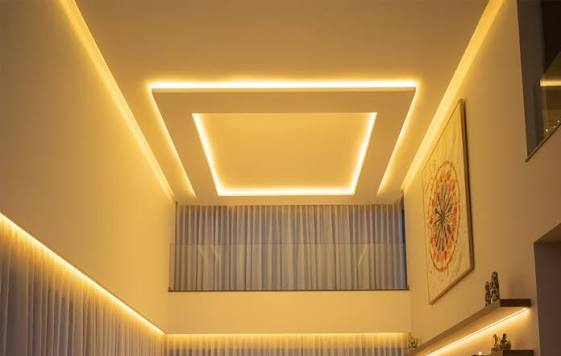
<p style="text-align: left;">Modern homes often include architectural elements such as recessed ceilings, wall niches, staircases, and built-in furniture. These features can become even more noticeable when illuminated correctly.</p>
<p style="text-align: left;">LED strips can be concealed inside recessed areas to create a seamless glow. They can also be placed along stair edges, under handrails, or around ceiling details. Because the strips are slim, they can often be hidden from direct view, allowing the light itself to become the main visual feature.</p>
<h2 style="text-align: left;">Choose the Right Color Temperature</h2>
<p style="text-align: left;">Color temperature has a major impact on how a room feels. Warm white lighting generally creates a cozy and welcoming atmosphere, making it suitable for bedrooms, living rooms, and dining spaces.</p>
<p style="text-align: left;">Neutral white can provide a balanced appearance and works well in kitchens, offices, and multipurpose rooms. Cooler white lighting can offer a crisp and energetic appearance, although it should be used thoughtfully in residential spaces.</p>
<p style="text-align: left;">Selecting the right temperature helps ensure that LED strips complement the existing furniture, finishes, and other lighting fixtures.</p>
<h2 style="text-align: left;">Combine LED Strips With Other Lighting</h2>
<p style="text-align: left;">The best interior lighting designs rarely depend on one type of fixture. Instead, they combine ambient, task, and accent lighting to create different layers.</p>
<p style="text-align: left;">LED strips can serve as accent or indirect lighting, while ceiling fixtures provide general illumination and table or floor lamps offer localized light. This combination creates greater flexibility and allows homeowners to control the mood of each room.</p>
<p style="text-align: left;">Using several lighting sources also helps prevent spaces from appearing too bright in some areas and too dark in others.</p>
<h2 style="text-align: left;">Installation and Maintenance Tips</h2>
<p style="text-align: left;">Before installing LED strips, consider where the power source will be located and how the strips will be concealed. Proper planning can help create a cleaner finished appearance.</p>
<p style="text-align: left;">Choose high-quality products that suit the intended application and follow the manufacturer's installation instructions. For areas exposed to moisture, make sure the selected lighting is designed for that environment.</p>
<p style="text-align: left;">Regular maintenance is generally simple. Keeping the strips and surrounding surfaces free from dust can help preserve their appearance and performance. If the lighting is installed in a concealed location, make sure there is still reasonable access for future maintenance.</p>
<h2 style="text-align: left;">Final Thoughts</h2>
<p style="text-align: left;"><strong>LED Strips</strong> offer a practical and stylish way to transform residential interiors. Their flexible design makes them suitable for kitchens, living rooms, bedrooms, shelves, mirrors, entertainment areas, and architectural features. More importantly, they can complement traditional fixtures and modern lamps to create a complete and layered lighting plan.</p>
<p style="text-align: left;">As a versatile option within <strong>Home Lighting &amp; Lamps</strong>, LED strip lighting allows homeowners to highlight important features, improve functionality, and create a more inviting atmosphere. With the right placement, brightness, and color temperature, these compact lighting solutions can make a noticeable difference in the look and feel of almost any home.</p>
            ]]>
        </content>
    </entry>
    <entry>
        <title> Elegant Lighting Ideas for Every Room</title>
        <author>
            <name>James K. Perry</name>
        </author>
        <link href="https://the-decor-palette.pages.dev/floor-lamps-elegant-lighting-ideas-for-every-room/"/>
        <id>https://the-decor-palette.pages.dev/floor-lamps-elegant-lighting-ideas-for-every-room/</id>
        <media:content url="https://the-decor-palette.pages.dev/media/posts/11/floor-lamp.jfif" medium="image" />
            <category term="Home Lighting &amp; Lamps"/>
            <category term="Floor Lamps"/>

        <updated>2026-10-12T22:50:38+03:00</updated>
            <summary type="html">
                <![CDATA[
                        <img src="https://the-decor-palette.pages.dev/media/posts/11/floor-lamp.jfif" alt="" />
                    The right lighting can transform an ordinary interior into a welcoming and&hellip;
                ]]>
            </summary>
        <content type="html">
            <![CDATA[
                    <p><img src="https://the-decor-palette.pages.dev/media/posts/11/floor-lamp.jfif" class="type:primaryImage" alt="" /></p>
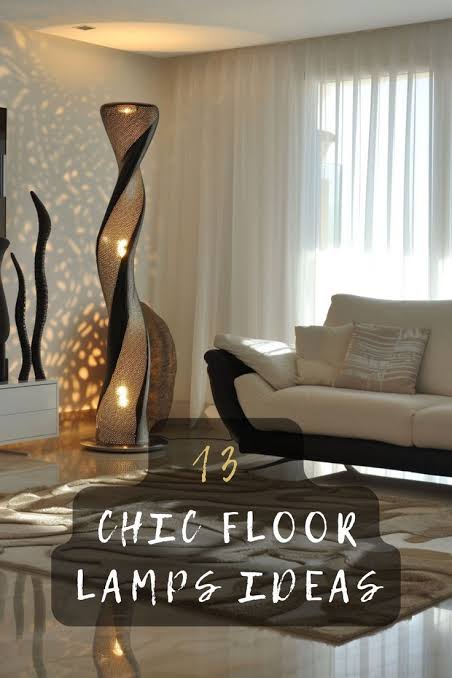
                <p style="text-align: left;">The right lighting can transform an ordinary interior into a welcoming and beautifully designed space. It can emphasize architectural features, improve visibility, create a relaxing atmosphere, and complement the furniture throughout a room. While ceiling fixtures and wall lights are important components of a lighting plan, <strong>Floor Lamps</strong> offer a unique combination of flexibility and decorative appeal.</p>
<p style="text-align: left;">As an essential option within <strong>Home Lighting &amp; Lamps</strong>, floor lamps can be introduced into almost any room. They are available in a wide range of silhouettes, materials, colors, and finishes, allowing homeowners to select designs that support their personal style. From a sophisticated living room to a cozy bedroom or productive home office, the right floor lamp can provide both useful illumination and an attractive finishing detail.</p>
<h2 style="text-align: left;">What Makes Floor Lamps So Useful?</h2>
<p style="text-align: left;">Floor lamps are freestanding fixtures designed to provide illumination from the floor level. Their height allows them to distribute light over furniture and across larger areas than many tabletop fixtures.</p>
<p style="text-align: left;">One of their most useful characteristics is portability. Since they are not permanently attached to the wall or ceiling, they can be moved when furniture is rearranged or when the lighting needs of a room change.</p>
<p style="text-align: left;">They are also an excellent solution for areas where installing a permanent light fixture may not be practical. Simply positioning a floor lamp in the right location can introduce an additional layer of illumination without major changes to the room.</p>
<h2 style="text-align: left;">Use Floor Lamps to Complete Your Living Room</h2>
<p style="text-align: left;">The living room is one of the best places to introduce floor lighting. It often includes several seating areas and requires different levels of illumination depending on how the room is being used.</p>
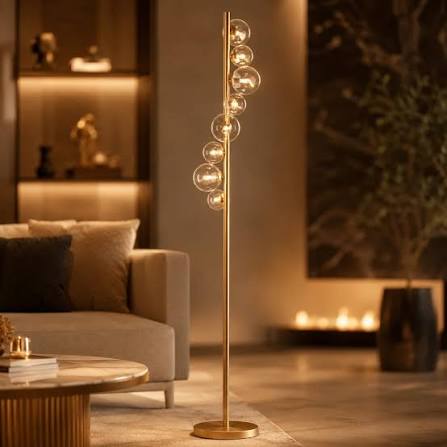
<p style="text-align: left;">A floor lamp beside a sofa can create a comfortable space for reading or relaxing. An arc-style fixture can extend over a coffee table or seating arrangement, providing light without taking up valuable tabletop space.</p>
<p style="text-align: left;">If your living room has an unused corner, a tall decorative floor lamp can fill the area and create a stronger sense of balance. Choose a style that works with your sofa, tables, rugs, and other decorative elements.</p>
<p> </p>
<p> </p>
<figure class="post__image"><img loading="lazy"  src="https://the-decor-palette.pages.dev/media/posts/11/lamp.jfif" alt="" width="671" height="780"></figure>
<h2 style="text-align: left;">Create a Relaxing Reading Nook</h2>
<p style="text-align: left;">A <a href="https://the-decor-palette.pages.dev/creative-lighting-solutions-for-modern-home-lighting-and-lamps/">floor lamp </a>can turn a simple chair into a dedicated reading area. This is particularly useful in living rooms, bedrooms, libraries, or quiet corners of larger homes.</p>
<p style="text-align: left;">Look for a fixture with a directional shade or adjustable arm if you want greater control over the light. The lamp should illuminate your reading material without producing uncomfortable glare.</p>
<p style="text-align: left;">A comfortable chair, small side table, and decorative cushion can complete the arrangement. This simple combination creates a functional space without requiring a large amount of furniture.</p>
<h2 style="text-align: left;">Add Warmth to the Bedroom</h2>
<p style="text-align: left;">Bedrooms often benefit from multiple layers of soft lighting. While bedside lamps are a traditional choice, <strong>Floor Lamps</strong> can provide an alternative that works particularly well in larger rooms.</p>
<p style="text-align: left;">A slim floor lamp can be placed beside a reading chair, near a dresser, or in an empty corner. It can provide gentle illumination while adding another vertical element to the room.</p>
<p style="text-align: left;">Choose a shade that softens the light if you want to create a calm evening atmosphere. Warm bulbs can also contribute to a more relaxing environment.</p>
<h2 style="text-align: left;">Make a Home Office More Comfortable</h2>
<p style="text-align: left;">Good lighting is essential in a home office. Poorly illuminated workspaces can feel uncomfortable, while excessive brightness can create distracting reflections.</p>
<p style="text-align: left;">A floor lamp can supplement the main ceiling light and provide additional illumination around a desk or reading area. Adjustable designs are especially practical because they allow you to direct the light according to the task.</p>
<p style="text-align: left;">For a coordinated workspace, choose a lamp that complements your desk, office chair, shelving, and other furniture.</p>
<p style="text-align: left;">When exploring <strong>Home Lighting &amp; Lamps</strong>, consider both task lighting and ambient lighting to create a workspace that is functional throughout the day.</p>
<h2 style="text-align: left;">Brighten Dark Corners</h2>
<p style="text-align: left;">Every home has areas that receive less natural or artificial light. These dark corners can make a room feel unfinished or visually unbalanced.</p>
<p style="text-align: left;">A strategically positioned floor lamp can solve this problem. Placing a tall fixture in a darker corner can distribute light into the surrounding area and make the room feel more inviting.</p>
<p style="text-align: left;">This technique is especially effective when combined with reflective surfaces such as mirrors, glass tables, or light-colored walls.</p>
<h2 style="text-align: left;">Select the Right Floor Lamp Design</h2>
<p style="text-align: left;">The style of your lamp should support the overall character of your room. There are many different designs to choose from, so consider the visual language of your existing furniture.</p>
<p style="text-align: left;">Minimalist interiors often benefit from simple fixtures with clean lines. Contemporary rooms can accommodate sculptural shapes and innovative structures. Traditional interiors may look better with decorative bases and classic shades.</p>
<p style="text-align: left;">Industrial spaces can use metal frames and exposed bulbs, while glamorous interiors may benefit from polished finishes and sophisticated decorative details.</p>
<p style="text-align: left;">The ideal <strong>Floor Lamps</strong> should feel like a natural extension of the room's design.</p>
<h2 style="text-align: left;">Explore Different Lamp Shapes</h2>
<p style="text-align: left;">The structure of a floor lamp can affect where it works best. Straight lamps are excellent for narrow spaces because they occupy a small footprint.</p>
<p style="text-align: left;">Arc lamps are useful when you want to position the light over a sofa, chair, or table. Their curved structure allows the base to remain farther away from the area being illuminated.</p>
<p style="text-align: left;">Tripod lamps can make a stronger decorative statement and work well in contemporary or casual interiors. Multi-light fixtures can provide illumination in several directions and create an interesting visual effect.</p>
<p style="text-align: left;">Consider the intended purpose of the lamp before choosing its shape.</p>
<h2 style="text-align: left;">Materials and Finishes Make a Difference</h2>
<p style="text-align: left;">The material and finish of a floor lamp can influence the atmosphere of the entire room. Metal fixtures can introduce a sleek, modern appearance, while wooden details can add warmth and texture.</p>
<p style="text-align: left;">Glass can provide an elegant and lightweight aesthetic, while fabric shades can create softer illumination. Some lamps combine several materials to produce a more distinctive appearance.</p>
<p style="text-align: left;">When selecting from <strong>Home Lighting &amp; Lamps</strong>, consider existing finishes throughout the room. Coordinating a lamp with cabinet handles, furniture legs, door hardware, or decorative accessories can create a cohesive appearance.</p>
<h2 style="text-align: left;">Think About Proportion and Placement</h2>
<p style="text-align: left;">Choosing the right size is just as important as selecting the right style. A large floor lamp can overwhelm a small room, while a tiny fixture may look insignificant in a spacious interior.</p>
<p style="text-align: left;">Measure the area where the lamp will stand and consider the height of nearby furniture. A lamp positioned beside a sofa should be comfortable to use and visually proportional to the seating.</p>
<p style="text-align: left;">Also consider how people move through the room. The lamp should not obstruct walkways or create an unnecessary obstacle.</p>
<h2 style="text-align: left;">Combine Floor Lighting With Other Fixtures</h2>
<p style="text-align: left;">A successful interior lighting plan usually includes several sources. <strong>Floor Lamps</strong> can work alongside ceiling lights, pendant fixtures, wall sconces, and table lamps.</p>
<p style="text-align: left;">Ceiling lights can provide general illumination, while floor lamps create localized pools of light. Accent lighting can highlight artwork, architectural details, or decorative objects.</p>
<p style="text-align: left;">This layered approach allows you to control the mood of a room more effectively. You can use brighter lighting when performing tasks and switch to softer sources when relaxing.</p>
<h2 style="text-align: left;">Choose the Right Light Bulb</h2>
<p style="text-align: left;">The bulb can significantly affect the performance and atmosphere of a floor lamp. Warm white bulbs are generally suitable for living rooms and bedrooms because they create a comfortable and inviting glow.</p>
<p style="text-align: left;">For home offices and reading areas, a brighter and more neutral light may be preferable. LED bulbs are also a popular option because they are energy-efficient and available in a variety of brightness levels and color temperatures.</p>
<p style="text-align: left;">Always make sure the selected bulb is compatible with the fixture and appropriate for its recommended wattage.</p>
<h2 style="text-align: left;">Conclusion</h2>
<p style="text-align: left;"><strong>Floor Lamps</strong> are a practical and decorative addition to modern interiors. They provide an easy way to introduce additional illumination, fill empty corners, define functional areas, and enhance the overall appearance of a room.</p>
<p style="text-align: left;">As part of the <strong>Home Lighting &amp; Lamps</strong> category, floor lamps offer exceptional versatility. They can complement living rooms, bedrooms, home offices, reading areas, and entryways while supporting a wide variety of interior styles.</p>
<p style="text-align: left;">By considering placement, proportions, materials, finishes, lamp structure, and bulb selection, you can choose a fixture that works beautifully with your existing décor. Whether you prefer a minimalist design, a classic silhouette, or a dramatic statement piece, the right floor lamp can bring warmth, functionality, and personality to your home.</p>
            ]]>
        </content>
    </entry>
    <entry>
        <title> Stylish Ideas for Home Lighting &amp; Lamps</title>
        <author>
            <name>James K. Perry</name>
        </author>
        <link href="https://the-decor-palette.pages.dev/stylish-ideas-for-home-lighting-and-lamps/"/>
        <id>https://the-decor-palette.pages.dev/stylish-ideas-for-home-lighting-and-lamps/</id>
        <media:content url="https://the-decor-palette.pages.dev/media/posts/10/pendant-light.jfif" medium="image" />
            <category term="Pendant &amp; Hanging Lights"/>
            <category term="Home Lighting &amp; Lamps"/>

        <updated>2026-10-12T22:46:54+03:00</updated>
            <summary type="html">
                <![CDATA[
                        <img src="https://the-decor-palette.pages.dev/media/posts/10/pendant-light.jfif" alt="" />
                    Lighting plays an essential role in creating a comfortable, attractive, and functional&hellip;
                ]]>
            </summary>
        <content type="html">
            <![CDATA[
                    <p><img src="https://the-decor-palette.pages.dev/media/posts/10/pendant-light.jfif" class="type:primaryImage" alt="" /></p>
                <p style="text-align: left;">Lighting plays an essential role in creating a comfortable, attractive, and functional home. Beyond simply illuminating a room, the right lighting can define its atmosphere, highlight architectural details, and complement the overall interior design. Among the many options available today, <strong>Pendant &amp; Hanging Lights</strong> have become a popular choice for homeowners who want practical illumination combined with eye-catching style.</p>
<p style="text-align: left;">As an important part of <strong>Home Lighting &amp; Lamps</strong>, pendant and hanging fixtures can be used in almost every area of the home. From elegant dining rooms and welcoming entryways to modern kitchens and relaxing bedrooms, these lights offer flexible solutions for different decorating styles and room sizes.</p>
<h2 style="text-align: left;">What Are Pendant &amp; Hanging Lights?</h2>
<p style="text-align: left;">Pendant lights are fixtures suspended from the ceiling by a cord, chain, rod, or similar support. They typically direct light downward while adding a decorative element to the room. Hanging lights can range from simple, minimalist designs to elaborate fixtures featuring multiple bulbs, decorative shades, metal details, or artistic shapes.</p>
<p style="text-align: left;">Their versatility makes them suitable for both contemporary and traditional interiors. Whether your home features modern furniture, classic décor, or a combination of different styles, you can find <strong><a href="https://the-decor-palette.pages.dev/floor-lamps-elegant-lighting-ideas-for-every-room/">Pendant &amp; Hanging Lights</a></strong> that enhance the existing design rather than competing with it.</p>
<h2 style="text-align: left;">Why Choose Pendant &amp; Hanging Lights?</h2>
<p style="text-align: left;">One of the biggest advantages of pendant lighting is its combination of functionality and visual appeal. Unlike some ceiling fixtures that blend into the background, a pendant can become a central design feature.</p>
<p style="text-align: left;">Well-chosen hanging lights can help:</p>
<ul style="text-align: left;">
<li>Provide focused illumination over specific areas.</li>
<li>Create a warm and inviting atmosphere.</li>
<li>Add visual interest to plain ceilings.</li>
<li>Define different zones within an open-plan room.</li>
<li>Complement furniture and decorative accessories.</li>
<li>Enhance the overall character of your interior.</li>
</ul>
<p style="text-align: left;">For homeowners looking to improve their <strong>Home Lighting &amp; Lamps</strong> collection, pendant fixtures are particularly useful because they can serve both decorative and practical purposes.</p>
<p> </p>
<figure class="post__image"><img loading="lazy"  src="https://the-decor-palette.pages.dev/media/posts/10/pendant.jfif" alt="" width="670" height="415"></figure>
<h2 style="text-align: left;">Pendant Lighting for the Kitchen</h2>
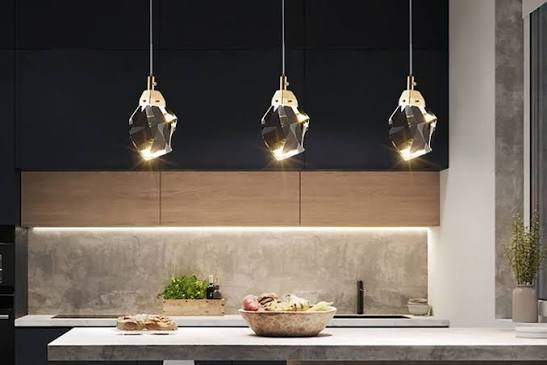
<p style="text-align: left;">The kitchen is one of the most popular spaces for pendant lighting. Installing hanging fixtures above a kitchen island or breakfast counter can provide focused light where it is needed most while giving the space a polished appearance.</p>
<p style="text-align: left;">For a contemporary kitchen, consider sleek fixtures with clean lines and simple finishes. Glass, metal, or geometric shades can work particularly well with modern cabinetry and countertops. If your kitchen has a more traditional appearance, decorative pendants with warm finishes and classic shapes can create a coordinated look.</p>
<p style="text-align: left;">When installing multiple pendants above an island, keeping the fixtures evenly spaced can create a balanced and professional appearance.</p>
<h2 style="text-align: left;">Creating an Elegant Dining Area</h2>
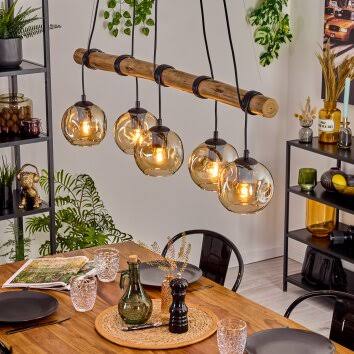
<p style="text-align: left;">A dining table can become an impressive focal point when paired with the right hanging light. A large pendant or chandelier-style fixture positioned above the table can provide functional illumination while establishing an elegant mood for meals and gatherings.</p>
<p style="text-align: left;">The size of the fixture should correspond to the size of the table and dining area. A very small pendant may look insignificant over a large dining table, while an oversized fixture can overwhelm a compact room.</p>
<p style="text-align: left;">Choosing the right <strong>Pendant &amp; Hanging Lights</strong> allows homeowners to combine lighting with décor and create a dining space that feels intentional and sophisticated.</p>
<h2 style="text-align: left;">Transforming the Living Room</h2>
<p style="text-align: left;">Pendant lights can also introduce personality into living rooms. They can be installed as a central ceiling feature or used to highlight a particular area, such as a reading corner or seating arrangement.</p>
<p style="text-align: left;">In larger living rooms, hanging fixtures can help visually divide an open space into functional zones. For example, a pendant positioned above a small side table or seating area can distinguish that area without requiring physical partitions.</p>
<p style="text-align: left;">Because living rooms often contain several decorative elements, choose a pendant that complements the furniture, colors, textures, and architectural features already present.</p>
<h2 style="text-align: left;">Adding Style to the Bedroom</h2>
<p style="text-align: left;">Bedroom lighting should provide comfort as well as functionality. Pendant fixtures can be used as alternatives to traditional bedside lamps, particularly when placed on either side of the bed.</p>
<p style="text-align: left;">Hanging lights beside a headboard can free up valuable nightstand space while adding a sophisticated decorative detail. Soft, warm-toned bulbs are especially suitable for bedrooms because they can create a relaxing environment.</p>
<p style="text-align: left;">For a minimalist bedroom, choose simple pendants with understated shapes. In a more luxurious interior, decorative fixtures with glass, metallic details, or elegant shades can contribute to a refined aesthetic.</p>
<h2 style="text-align: left;">Make a Strong First Impression in the Entryway</h2>
<p style="text-align: left;">The entryway is often the first part of a home that guests see, making it an excellent location for statement lighting. A stylish hanging fixture can immediately establish the tone of the interior.</p>
<p style="text-align: left;">For homes with high ceilings, a longer pendant or multi-light fixture can emphasize the vertical space. In smaller entrances, compact hanging lights can add personality without making the area feel crowded.</p>
<p style="text-align: left;">Pairing pendant lighting with mirrors, consoles, artwork, or decorative accessories can create a welcoming and cohesive entrance.</p>
<h2 style="text-align: left;">Choosing the Right Size</h2>
<p style="text-align: left;">One of the most important considerations when selecting <strong>Pendant &amp; Hanging Lights</strong> is proportion. A fixture should be large enough to make an impact but not so large that it dominates the room.</p>
<p style="text-align: left;">Consider the dimensions of the room, the ceiling height, and the furniture positioned beneath the light. A large dining table may require a wider fixture, while a compact kitchen counter may work better with smaller individual pendants.</p>
<p style="text-align: left;">The hanging height is equally important. Lights positioned too low can interfere with movement and visibility, while fixtures placed too high may lose their visual and functional impact.</p>
<h2 style="text-align: left;">Materials and Finishes Matter</h2>
<p style="text-align: left;">Pendant lights are available in a wide variety of materials and finishes, making it easy to coordinate them with other elements in your home.</p>
<p style="text-align: left;">Metal fixtures can create a modern or industrial feel, while glass shades can provide a lighter and more elegant appearance. Fabric shades can soften the light and introduce warmth, while natural materials can work beautifully in relaxed or organic interiors.</p>
<p style="text-align: left;">When selecting <strong>Home Lighting &amp; Lamps</strong>, consider repeating finishes already present in the room. Matching or complementing hardware, furniture details, and decorative accessories can help create a unified look.</p>
<h2 style="text-align: left;">Creating a Layered Lighting Design</h2>
<p style="text-align: left;">The best interiors rarely depend on one source of illumination. Instead, designers often combine ambient, task, and accent lighting to create a flexible environment.</p>
<p style="text-align: left;">Pendant fixtures can provide task lighting over a kitchen island or dining table, while recessed ceiling lights can deliver general illumination. Table lamps, floor lamps, and wall lights can then add additional layers and create a warmer atmosphere.</p>
<p style="text-align: left;">This combination makes <strong>Pendant &amp; Hanging Lights</strong> an important component of a complete lighting strategy rather than simply a decorative accessory.</p>
<h2 style="text-align: left;">Final Thoughts</h2>
<p style="text-align: left;"><strong>Pendant &amp; Hanging Lights</strong> offer an effective way to combine beauty, functionality, and personality in almost any room. From illuminating kitchen islands and dining tables to enhancing bedrooms, living rooms, and entryways, these fixtures can make a noticeable difference in the appearance and atmosphere of a home.</p>
<p style="text-align: left;">When choosing from <strong>Home Lighting &amp; Lamps</strong>, consider the room's size, ceiling height, furniture arrangement, interior style, and desired level of illumination. The right pendant can become more than a source of light—it can serve as a defining decorative feature that brings the entire room together.</p>
<p style="text-align: left;">With countless shapes, materials, finishes, and designs available, pendant and hanging fixtures provide homeowners with the flexibility to create interiors that are both functional and visually appealing.</p>
            ]]>
        </content>
    </entry>
    <entry>
        <title> Modern Ideas for Stylish Wall Colors &amp; Accent Paints</title>
        <author>
            <name>James K. Perry</name>
        </author>
        <link href="https://the-decor-palette.pages.dev/modern-ideas-for-stylish-wall-colors-and-accent-paints/"/>
        <id>https://the-decor-palette.pages.dev/modern-ideas-for-stylish-wall-colors-and-accent-paints/</id>
        <media:content url="https://the-decor-palette.pages.dev/media/posts/9/paint-trend.jfif" medium="image" />
            <category term="Wall Colors &amp; Accent Paints"/>
            <category term="Paint Trends"/>

        <updated>2026-10-12T22:43:10+03:00</updated>
            <summary type="html">
                <![CDATA[
                        <img src="https://the-decor-palette.pages.dev/media/posts/9/paint-trend.jfif" alt="" />
                    Interior paint has always been one of the easiest ways to transform&hellip;
                ]]>
            </summary>
        <content type="html">
            <![CDATA[
                    <p><img src="https://the-decor-palette.pages.dev/media/posts/9/paint-trend.jfif" class="type:primaryImage" alt="" /></p>
                <p style="text-align: left;">Interior paint has always been one of the easiest ways to transform a home. A new shade can change the mood of a room, highlight architectural details, and create a completely different impression without requiring major renovations. As decorating preferences continue to evolve, new <strong>Paint Trends</strong> are giving homeowners more creative ways to experiment with color, contrast, and atmosphere.</p>
<p style="text-align: left;">Today's approach to interior paint goes beyond simply choosing a favorite color. Homeowners are considering how shades interact with natural light, furniture, flooring, materials, and the overall purpose of each room. Within the <strong>Wall Colors &amp; Accent Paints</strong> category, these evolving ideas make it easier to create interiors that feel personal, balanced, and contemporary.</p>
<h2 style="text-align: left;">Why Paint Trends Matter in Interior Design</h2>
<p style="text-align: left;">Paint trends can provide inspiration when homeowners are unsure how to refresh their interiors. They introduce new combinations, finishes, and ways of using color while still leaving room for individual preferences.</p>
<p style="text-align: left;">Following trends does not mean that every room needs to be decorated according to the latest fashion. Instead, trends can help identify colors and techniques that may complement your existing furniture and architectural style.</p>
<p style="text-align: left;">The best approach is to choose ideas that fit your home while adapting them to your own taste.</p>
<h2 style="text-align: left;">Warm Colors Are Becoming More Popular</h2>
<p style="text-align: left;">For many years, cool whites and gray interiors dominated modern design. Today, warmer shades are becoming increasingly attractive because they create a more welcoming atmosphere.</p>
<p style="text-align: left;">Soft beige, creamy white, warm taupe, muted terracotta, caramel, and earthy brown can make interiors feel comfortable without appearing old-fashioned.</p>
<p style="text-align: left;">These colors work particularly well with natural materials such as wood, stone, linen, and woven fabrics. They can also complement warm metallic finishes and soft lighting.</p>
<h2 style="text-align: left;">Nature-Inspired Colors Bring the Outdoors Inside</h2>
<p style="text-align: left;">Nature continues to influence interior design, and this is reflected in many current <strong>Paint Trends</strong>. Shades inspired by forests, plants, soil, and natural landscapes can create a relaxing atmosphere.</p>
<p style="text-align: left;">Muted greens, olive, sage, earthy browns, and soft blue-green tones can work beautifully in living rooms, bedrooms, kitchens, and home offices.</p>
<p style="text-align: left;">Nature-inspired colors are especially effective when combined with natural wood furniture, indoor plants, woven accessories, and organic textures.</p>
<p> </p>
<figure class="post__image"><img loading="lazy"  src="https://the-decor-palette.pages.dev/media/posts/9/paint-t.jfif" alt="" width="709" height="355"></figure>
<h2 style="text-align: left;">Neutral Colors Remain a Timeless Choice</h2>
<p style="text-align: left;">Although new colors appear every year, neutrals continue to have a strong place in interior design. Cream, beige, off-white, taupe, soft gray, and greige provide flexible backgrounds that can work with different furniture styles.</p>
<p style="text-align: left;">Neutral walls also make it easier to change decorative accessories. A homeowner can replace cushions, artwork, rugs, or curtains without needing to repaint the entire room.</p>
<p style="text-align: left;">Within <strong>Wall Colors &amp; Accent Paints</strong>, neutral shades can also serve as the foundation for stronger accent colors.</p>
<h2 style="text-align: left;">Bold Accent Walls Create Focal Points</h2>
<p style="text-align: left;">Painting every wall in a dramatic color is not the only way to introduce bold shades. Accent walls provide a more controlled approach.</p>
<p style="text-align: left;">A deep green wall behind a sofa, a navy wall behind a bed, or a rich terracotta wall in a dining area can create a clear focal point without overwhelming the entire room.</p>
<p style="text-align: left;">Accent walls work particularly well when the selected color is already reflected in furniture, artwork, rugs, or accessories elsewhere in the room.</p>
<h2 style="text-align: left;">Two-Tone Walls Add Visual Interest</h2>
<p style="text-align: left;">Another creative approach is to use two colors within the same room. A darker shade on the lower portion of a wall combined with a lighter shade above can create a sophisticated effect.</p>
<p style="text-align: left;">Two-tone designs can also be created using horizontal or vertical divisions, depending on the proportions of the room.</p>
<p style="text-align: left;">This technique allows homeowners to introduce more than one color while maintaining a coordinated appearance.</p>
<h2 style="text-align: left;">Earthy Tones for a Relaxed Atmosphere</h2>
<p style="text-align: left;">Earth-inspired shades have become increasingly popular because they create interiors that feel grounded and comfortable. Terracotta, clay, sand, muted brown, warm beige, and olive can all contribute to this style.</p>
<p style="text-align: left;">These shades pair naturally with wood, stone, leather, and woven materials. They can also create a welcoming environment when combined with warm lighting.</p>
<p style="text-align: left;">Earthy colors are particularly suitable for living rooms, bedrooms, dining spaces, and reading areas where comfort is a priority.</p>
<h2 style="text-align: left;">Dark Colors Can Add Sophistication</h2>
<p style="text-align: left;">Dark paint is no longer limited to dramatic or formal rooms. Deep charcoal, forest green, navy, and rich brown can create sophisticated interiors when used correctly.</p>
<p style="text-align: left;">A dark wall can provide a beautiful backdrop for light-colored furniture, metallic details, artwork, and decorative lighting.</p>
<p style="text-align: left;">To prevent a dark room from feeling too enclosed, balance the color with sufficient lighting and lighter furniture or accessories.</p>
<h2 style="text-align: left;">Color-Drenched Interiors</h2>
<p style="text-align: left;">One notable approach within modern <strong>Paint Trends</strong> is color drenching. This involves using a similar or identical color across multiple surfaces, such as walls, trim, doors, and sometimes ceilings.</p>
<p style="text-align: left;">Rather than breaking the room into separate color sections, the technique creates a continuous visual effect.</p>
<p style="text-align: left;">Soft colors can make color drenching feel calm and sophisticated, while deeper shades can create a dramatic and immersive atmosphere.</p>
<h2 style="text-align: left;">Soft Pastels for Modern Interiors</h2>
<p style="text-align: left;">Pastel shades are another way to introduce color without creating an overwhelming appearance. Soft sage, dusty blue, pale peach, muted lavender, and gentle blush can add personality while maintaining a light atmosphere.</p>
<p style="text-align: left;">Modern pastel interiors often combine these colors with neutral furniture, natural materials, and simple decorative details.</p>
<p style="text-align: left;">Pastels can work particularly well in bedrooms, nurseries, bathrooms, and creative home offices.</p>
<h2 style="text-align: left;">Matte Finishes for a Contemporary Look</h2>
<p style="text-align: left;">Paint color is only one part of the design. The finish can also influence the appearance of a room.</p>
<p style="text-align: left;">Matte finishes can provide a soft, sophisticated look because they reduce reflections and allow the color to appear more uniform. They are often used in bedrooms, living rooms, and other areas where a refined appearance is desired.</p>
<p style="text-align: left;">Other finishes may be more suitable for high-traffic areas or surfaces that require frequent cleaning, so practicality should always be considered alongside aesthetics.</p>
<h2 style="text-align: left;">Use the Ceiling as a Design Opportunity</h2>
<p style="text-align: left;">Ceilings are often overlooked when selecting paint, but they can become an important part of a modern color scheme.</p>
<p style="text-align: left;">Instead of automatically using white, homeowners can choose a subtle neutral or a color that complements the walls. A slightly darker ceiling can create a cozy feeling, while a soft complementary shade can make the overall room feel more cohesive.</p>
<p style="text-align: left;">In rooms with high ceilings, a deeper ceiling color can also help create a more balanced sense of proportion.</p>
<h2 style="text-align: left;">Coordinate Paint With Furniture and Materials</h2>
<p style="text-align: left;">One of the most important principles when following <strong>Paint Trends</strong> is to avoid choosing colors in isolation. The existing furniture, flooring, curtains, and lighting should all be considered.</p>
<p style="text-align: left;">For example, warm wood furniture may look particularly attractive against beige, cream, olive, or warm gray walls. Cool-toned furniture may pair better with soft gray, blue-gray, or crisp neutral shades.</p>
<p style="text-align: left;">Creating a relationship between the wall color and other materials helps the entire interior feel intentional.</p>
<h2 style="text-align: left;">Test Colors Before Painting</h2>
<p style="text-align: left;">Paint samples can look very different depending on lighting and surrounding colors. A shade that looks perfect in a showroom may appear warmer, cooler, lighter, or darker at home.</p>
<p style="text-align: left;">Before committing to a large area, test several samples on the actual wall. Observe them during daylight and under evening lighting.</p>
<p style="text-align: left;">This simple step can help you understand how the color behaves in your specific space and reduce the risk of choosing a shade that does not work as expected.</p>
<h2 style="text-align: left;">Final Thoughts</h2>
<p style="text-align: left;">Modern <strong>Paint Trends</strong> offer countless ways to refresh an interior, from warm earthy colors and nature-inspired greens to dramatic accent walls, two-tone designs, and color-drenched rooms. The key is not simply to follow every trend but to select ideas that complement your home's architecture, furniture, lighting, and personal style.</p>
<p style="text-align: left;">As part of the <strong>Wall Colors &amp; Accent Paints</strong> category, contemporary paint ideas provide a flexible way to transform rooms without major renovations. Whether you prefer timeless neutrals, soft pastels, rich dark shades, or natural earthy tones, the right paint can create a space that feels stylish, comfortable, and uniquely yours.</p>
            ]]>
        </content>
    </entry>
    <entry>
        <title>Transform Your Interior With Depth, Style, and Personality</title>
        <author>
            <name>James K. Perry</name>
        </author>
        <link href="https://the-decor-palette.pages.dev/transform-your-interior-with-depth-style-and-personality/"/>
        <id>https://the-decor-palette.pages.dev/transform-your-interior-with-depth-style-and-personality/</id>
        <media:content url="https://the-decor-palette.pages.dev/media/posts/8/texture.jfif" medium="image" />
            <category term="Wall Colors &amp; Accent Paints"/>
            <category term="Textured Walls"/>

        <updated>2026-10-12T22:40:00+03:00</updated>
            <summary type="html">
                <![CDATA[
                        <img src="https://the-decor-palette.pages.dev/media/posts/8/texture.jfif" alt="" />
                    A beautifully decorated home is not defined only by its furniture, flooring,&hellip;
                ]]>
            </summary>
        <content type="html">
            <![CDATA[
                    <p><img src="https://the-decor-palette.pages.dev/media/posts/8/texture.jfif" class="type:primaryImage" alt="" /></p>
                <p>A beautifully decorated home is not defined only by its furniture, flooring, or accessories. The walls themselves can play an important role in establishing the personality of an interior. While standard painted walls provide a clean backdrop, <strong><a href="https://the-decor-palette.pages.dev/modern-ideas-for-stylish-wall-colors-and-accent-paints/">Textured Walls</a></strong> can introduce depth, movement, and visual character that instantly makes a space more distinctive.</p>
<p>Wall texture can range from subtle finishes that are barely noticeable to dramatic surfaces that become the main feature of a room. With the right choice, texture can complement contemporary, classic, rustic, minimalist, or luxurious interiors. It can also be combined with different shades and finishes to create a more customized look.</p>
<p>As part of the <strong>Wall Colors &amp; Accent Paints</strong> category, textured wall treatments give homeowners another way to personalize their interiors. Instead of choosing only a color, you can create a wall that combines color, pattern, material, and dimension.</p>
<h2>Why Add Texture to Your Walls?</h2>
<p>Flat walls can sometimes leave a room feeling unfinished, especially when the interior has limited architectural detail. Texture provides an opportunity to introduce visual interest without filling the space with additional decorations.</p>
<p>A textured surface can catch natural and artificial light differently throughout the day. Raised areas may reflect light, while recessed areas create shadows. This subtle variation can make the wall appear more dynamic.</p>
<p>Texture can also help establish a focal point. A single textured wall behind a sofa, bed, or dining table can immediately draw attention to a particular area.</p>
<h2>Different Ways to Create Wall Texture</h2>
<p>There are many techniques and materials available for creating textured surfaces. Decorative plaster is a popular option for homeowners who want an artistic, handcrafted appearance. It can range from smooth and subtle to heavily layered.</p>
<p>Wall panels offer another option. Depending on their material and pattern, panels can create geometric, linear, three-dimensional, or natural effects.</p>
<p>Textured wallpaper is also useful for people who want a quicker decorative transformation. Modern wallpaper designs can imitate wood, stone, fabric, plaster, and other materials.</p>
<p>Other possibilities include stone-inspired finishes, concrete effects, wood slats, and specialty paint techniques. The right option depends on the desired appearance, budget, and maintenance requirements.</p>
<p> </p>
<figure class="post__image"><img loading="lazy"  src="https://the-decor-palette.pages.dev/media/posts/8/txturee.jfif" alt="" width="680" height="454"></figure>
<h2>Make the Living Room More Dynamic</h2>
<p>The living room is often the central gathering space in a home, making it an ideal location for <strong>Textured Walls</strong>. A feature wall can provide a strong backdrop for a sofa, television, fireplace, or artwork.</p>
<p>For a sophisticated look, consider a subtle plaster texture in a warm neutral shade. For a contemporary interior, concrete-inspired surfaces or geometric panels can create a modern focal point.</p>
<p>If the living room already contains patterned furniture or colorful accessories, choose a simpler wall texture. This prevents the room from becoming visually overwhelming.</p>
<h2>Create a Distinctive Bedroom Feature</h2>
<p>The wall behind the bed is naturally one of the strongest focal points in a bedroom. Adding texture to this area can create a sense of depth while giving the room a more finished appearance.</p>
<p>Vertical wood panels can emphasize ceiling height, while soft fabric-inspired textures can contribute to a cozy atmosphere. Decorative plaster can provide a more elegant and understated effect.</p>
<p>Color also matters. Warm neutrals such as beige, taupe, and creamy white can maintain a relaxing atmosphere, while darker shades can create a dramatic and intimate bedroom.</p>
<h2>Use Texture to Define Dining Areas</h2>
<p>In open-plan homes, different functional areas sometimes blend into one another. A textured accent wall can help visually define a dining area without requiring a physical partition.</p>
<p>A wall behind the dining table can feature wood, stone, plaster, or another decorative treatment. When paired with a statement pendant light, the textured surface can become an attractive focal point.</p>
<p>The wall finish should complement the dining furniture. For example, natural textures can work well with wooden tables, while sleek geometric panels may suit contemporary dining sets.</p>
<h2>Transform an Entryway</h2>
<p>The entryway is the first interior space visitors see, so it deserves attention. A textured wall can immediately make the entrance feel more intentional and designed.</p>
<p>A subtle texture behind a console table can provide a sophisticated background for a mirror, artwork, or decorative accessories. For smaller entryways, light-colored textures can add interest without making the area feel crowded.</p>
<p>A carefully selected wall treatment can also create a transition between the entrance and the rest of the home.</p>
<h2>Pair Texture With Neutral Colors</h2>
<p>Neutral colors and textured surfaces are a natural combination. Since neutral shades are relatively understated, they allow the surface pattern to become more noticeable.</p>
<p>Cream, beige, taupe, warm gray, and soft white can all work beautifully with textured finishes. Instead of relying on bold colors to create interest, homeowners can use texture to add dimension.</p>
<p>This approach fits naturally within <strong>Wall Colors &amp; Accent Paints</strong>, where color and surface treatment can be used together to create a cohesive interior.</p>
<h2>Create Contrast With Darker Shades</h2>
<p>Texture can become especially dramatic when combined with deeper colors. Charcoal, deep brown, dark green, navy, and other rich tones can emphasize the shadows within a textured surface.</p>
<p>However, darker textured walls should be used thoughtfully. In smaller or poorly lit rooms, they may make the space feel more enclosed.</p>
<p>One solution is to use a darker texture on a single accent wall while keeping the surrounding walls lighter. Adequate lighting can further prevent the area from appearing too dark.</p>
<h2>Let Lighting Highlight the Texture</h2>
<p>The appearance of a textured wall depends heavily on lighting. A surface that looks subtle during the day may become dramatically more pronounced under directional evening lighting.</p>
<p>Wall sconces can cast light across the surface, emphasizing raised patterns. Spotlights can highlight specific sections, while concealed lighting can create a softer glow.</p>
<p>When planning the wall treatment, think about both natural and artificial light. The position of windows, lamps, and ceiling fixtures can affect the final appearance considerably.</p>
<h2>Combine Textured Walls With Furniture</h2>
<p>A textured wall should complement the furniture rather than compete with it. If the wall has a strong geometric pattern, choose furniture with relatively simple lines.</p>
<p>If the texture is subtle, you can introduce more decorative furniture and accessories.</p>
<p>For example, a sophisticated plaster wall can provide an elegant backdrop for an upholstered sofa, while a natural wood wall can complement leather furniture and woven accessories.</p>
<p>Maintaining a visual relationship between the wall and furniture helps create a cohesive interior.</p>
<h2>Add Texture Without Overdoing It</h2>
<p>Although texture can make a room more interesting, using too many different textures can create visual clutter. A successful interior usually has a clear hierarchy.</p>
<p>Choose one main textured feature and allow other surfaces to support it. If the wall is highly decorative, keep nearby accessories relatively simple.</p>
<p>You can still create variety through soft furnishings and materials, but try to repeat complementary textures rather than introducing unrelated patterns everywhere.</p>
<h2>Maintenance and Durability</h2>
<p>The practical side of textured walls should also be considered. Some heavily textured finishes can collect dust and may be more difficult to clean than smooth paint.</p>
<p>In busy areas such as hallways and family rooms, durable finishes may be preferable. Kitchens and bathrooms require additional consideration because humidity and moisture can affect certain materials.</p>
<p>Before installation, check the recommended cleaning method and durability of the chosen finish. Proper preparation and installation can also help ensure a longer-lasting result.</p>
<h2>Textured Walls as a Long-Term Design Choice</h2>
<p>A successful wall treatment should complement the home rather than depend entirely on a temporary trend. Neutral textures, natural materials, and simple geometric patterns are often easier to maintain visually over time.</p>
<p>If you enjoy changing your décor regularly, consider a versatile texture that can work with different furniture and accessory colors.</p>
<p>This makes it possible to refresh the room without replacing the entire wall treatment.</p>
<h2>Final Thoughts</h2>
<p><strong>Textured Walls</strong> provide an effective way to bring depth and individuality to an interior. From decorative plaster and wood panels to stone-inspired finishes and textured wallpaper, homeowners have countless ways to transform ordinary surfaces into attractive design features.</p>
<p>As part of <strong>Wall Colors &amp; Accent Paints</strong>, textured treatments allow color and dimension to work together. Whether you want a subtle neutral backdrop, a dramatic accent wall, or a natural material-inspired finish, texture can help create a more layered and sophisticated home.</p>
<p>With careful attention to room size, lighting, furniture, color, and maintenance, textured walls can become a stylish feature that adds character and lasting visual appeal to almost any interior.​</p>
<p> </p>
            ]]>
        </content>
    </entry>
    <entry>
        <title>Inspiring Wall Colors &amp; Accent Paints for Modern Interiors</title>
        <author>
            <name>James K. Perry</name>
        </author>
        <link href="https://the-decor-palette.pages.dev/inspiring-wall-colors-and-accent-paints-for-modern-interiors/"/>
        <id>https://the-decor-palette.pages.dev/inspiring-wall-colors-and-accent-paints-for-modern-interiors/</id>
        <media:content url="https://the-decor-palette.pages.dev/media/posts/7/Wall-Colors.jfif" medium="image" />
            <category term="Wall Colors &amp; Accent Paints"/>
            <category term="Neutral Wall Colors"/>

        <updated>2026-10-12T22:33:40+03:00</updated>
            <summary type="html">
                <![CDATA[
                        <img src="https://the-decor-palette.pages.dev/media/posts/7/Wall-Colors.jfif" alt="" />
                    Choosing the right wall color can completely change the atmosphere of a&hellip;
                ]]>
            </summary>
        <content type="html">
            <![CDATA[
                    <p><img src="https://the-decor-palette.pages.dev/media/posts/7/Wall-Colors.jfif" class="type:primaryImage" alt="" /></p>
                <p>Choosing the right wall color can completely change the atmosphere of a home. From soft neutrals and earthy shades to dramatic accent walls and unexpected color combinations, today’s <strong><a href="https://the-decor-palette.pages.dev/transform-your-interior-with-depth-style-and-personality/">Paint Trends</a></strong> offer countless ways to create a stylish and personalized interior. Paint is no longer viewed simply as a finishing layer; it has become an important design element that can define rooms, highlight architectural features, and complement furniture.</p>
<p>As homeowners look for interiors that feel comfortable, expressive, and timeless, modern <strong>Wall Colors &amp; Accent Paints</strong> are becoming more creative and versatile. Whether you are decorating a new home or refreshing an existing space, understanding the latest color directions can help you make confident design decisions.</p>
<h2>Why Paint Trends Matter in Interior Design</h2>
<p>Paint has a powerful visual impact. A carefully selected color can make a small room appear larger, create a cozy atmosphere, or provide a dramatic backdrop for furniture and artwork. The latest <strong>Paint Trends</strong> focus on creating spaces that feel both visually appealing and comfortable for everyday living.</p>
<p>Instead of following short-lived color fads, many homeowners are choosing shades that reflect their personality and work well with natural materials, textiles, lighting, and furniture. This approach makes it easier to create an interior that remains attractive for years.</p>
<h2>Warm Neutrals Are Taking Center Stage</h2>
<p>Neutral colors continue to be among the most popular choices for residential interiors, but warmer versions are becoming especially desirable. Cream, sand, beige, warm taupe, and soft greige can create a welcoming atmosphere without overwhelming the room.</p>
<p>Warm neutrals work particularly well in living rooms and bedrooms because they provide a calm foundation for furniture and decorative accessories. They can also be combined with wood, natural stone, woven fabrics, and metallic details for a balanced look.</p>
<p>For homeowners who want flexibility, warm neutral walls make it easier to update furniture and accessories without repainting the entire room.</p>
<p> </p>
<figure class="post__image"><img loading="lazy"  src="https://the-decor-palette.pages.dev/media/posts/7/Inspiring-Wall-Colors-and-Accent-Paints-for-Modern-Interiors.jfif" alt="" width="705" height="705"></figure>
<h2>Earthy Colors Bring a Natural Feeling Indoors</h2>
<p>One of the strongest directions in contemporary <strong>Wall Colors &amp; Accent Paints</strong> is the use of colors inspired by nature. Olive green, clay, terracotta, muted brown, sand, and warm ochre can introduce an organic character into an interior.</p>
<p>These shades are particularly effective when paired with natural materials. Wooden furniture, linen curtains, rattan accessories, stone surfaces, and indoor plants can all enhance the connection with nature.</p>
<p>Earth-inspired colors are suitable for both modern and traditional interiors, making them a versatile choice for homeowners who want a relaxed but sophisticated environment.</p>
<h2>Bold Accent Walls Create a Strong Focal Point</h2>
<p>Not every wall needs to have the same color. Accent walls remain an effective way to introduce personality without making an entire room feel too intense.</p>
<p>A deep green wall behind a sofa, a rich blue wall behind a bed, or a warm terracotta wall in a dining area can instantly become the room's focal point. The key is to select a wall that naturally deserves attention.</p>
<p>Accent colors can also highlight architectural elements such as fireplaces, built-in shelving, alcoves, or distinctive wall shapes. This makes paint an affordable way to emphasize features that might otherwise go unnoticed.</p>
<h2>Soft Blues and Greens Create Relaxing Spaces</h2>
<p>Soft blue and green shades continue to attract attention because of their calming qualities. Pale sage, dusty blue, muted teal, and soft eucalyptus can make bedrooms, bathrooms, and living areas feel peaceful and refreshing.</p>
<p>These colors work especially well in rooms with plenty of natural light. When combined with white or warm neutral trim, they can create a clean yet comfortable appearance.</p>
<p>For a more sophisticated effect, homeowners can choose muted versions instead of highly saturated colors. Subtle tones are easier to coordinate with furniture and decorative pieces.</p>
<h2>Two-Tone Walls Add Dimension</h2>
<p>Another interesting direction in <strong>Paint Trends</strong> is the use of two colors on the same wall. Instead of choosing a single shade, designers can divide the wall horizontally or vertically to create visual interest.</p>
<p>For example, a warm neutral can cover the lower portion of a wall while a lighter shade is used above it. Alternatively, a darker color can be combined with a soft neutral to create a sophisticated contrast.</p>
<p>Two-tone walls can be especially useful in dining rooms, children's rooms, hallways, and creative workspaces. They offer a distinctive appearance without requiring complicated architectural changes.</p>
<h2>Dark Paint Colors Add Sophistication</h2>
<p>Dark colors are no longer limited to large formal spaces. Deep navy, charcoal, forest green, chocolate brown, and similar shades can create an elegant and intimate atmosphere.</p>
<p>Dark <strong>Wall Colors &amp; Accent Paints</strong> work particularly well when balanced with lighter furniture, warm lighting, mirrors, and metallic accents. They can also make artwork and decorative objects stand out.</p>
<p>When using a dark shade, consider the room's natural and artificial lighting. A well-lit space can handle stronger colors more easily, while smaller or darker rooms may benefit from using a dramatic color on only one wall.</p>
<h2>Color Drenching Creates a Seamless Look</h2>
<p>Color drenching is another approach gaining popularity in contemporary interiors. Instead of painting only the walls, the same or a closely related shade is applied to multiple surfaces, including trim, doors, and sometimes ceilings.</p>
<p>This technique creates a unified appearance and can make architectural details feel more intentional. A soft earthy shade throughout a bedroom, for example, can create a cozy and immersive environment.</p>
<p>Color drenching can work with both bold and subtle colors depending on the desired mood.</p>
<h2>Paint Finishes Matter as Much as Color</h2>
<p>Choosing a color is only part of the process. The finish can influence how that color looks and performs.</p>
<p>Matte finishes can provide a soft, sophisticated appearance, while eggshell and satin finishes offer a subtle level of sheen and are often practical for frequently used areas. Higher-sheen finishes can also be useful for emphasizing architectural details such as doors, trim, and decorative elements.</p>
<p>The best finish depends on the room, surface, lighting, and level of durability required.</p>
<h2>How to Choose the Right Paint Trend for Your Home</h2>
<p>Following current <strong>Paint Trends</strong> does not mean copying a particular style exactly. Instead, use trends as inspiration while considering your home's existing design.</p>
<p>Start by looking at the furniture, flooring, curtains, and accessories already present in the room. Choose a wall color that complements these elements rather than competing with them.</p>
<p>It is also important to test paint samples before committing to a color. Natural daylight, evening lighting, and artificial bulbs can all change how a shade appears.</p>
<p>Finally, consider the mood you want to create. Soft neutrals are ideal for calm and flexible spaces, earthy shades provide warmth, while darker colors can deliver drama and sophistication.</p>
<h2>Conclusion</h2>
<p>The latest <strong>Paint Trends</strong> offer exciting opportunities to transform interiors through color, contrast, texture, and creative application. From warm neutrals and nature-inspired shades to bold accent walls, two-tone combinations, and color-drenched rooms, there are options for almost every decorating style.</p>
<p>When choosing <strong>Wall Colors &amp; Accent Paints</strong>, the best approach is to balance current inspiration with your home's architecture, lighting, furniture, and personal taste. With the right color and finish, even a simple painted wall can become a defining feature that makes a room feel more inviting, stylish, and complete.</p>
            ]]>
        </content>
    </entry>
    <entry>
        <title>Creative Styling Ideas for Modern Home Interiors</title>
        <author>
            <name>James K. Perry</name>
        </author>
        <link href="https://the-decor-palette.pages.dev/creative-styling-ideas-for-modern-home-interiors/"/>
        <id>https://the-decor-palette.pages.dev/creative-styling-ideas-for-modern-home-interiors/</id>
        <media:content url="https://the-decor-palette.pages.dev/media/posts/6/Creative-Styling-Ideas.jfif" medium="image" />
            <category term="Throw Pillows"/>
            <category term="Modern Decor Accessories"/>

        <updated>2026-10-12T22:24:28+03:00</updated>
            <summary type="html">
                <![CDATA[
                        <img src="https://the-decor-palette.pages.dev/media/posts/6/Creative-Styling-Ideas.jfif" alt="" />
                    A beautifully decorated home is often defined by the small details that&hellip;
                ]]>
            </summary>
        <content type="html">
            <![CDATA[
                    <p><img src="https://the-decor-palette.pages.dev/media/posts/6/Creative-Styling-Ideas.jfif" class="type:primaryImage" alt="" /></p>
                <p style="text-align: left;">A beautifully decorated home is often defined by the small details that bring furniture, colors, and textures together. While sofas, beds, tables, and chairs establish the foundation of an interior, accessories give the space its personality. <strong><a href="https://the-decor-palette.pages.dev/creative-ways-to-style-modern-home-interiors/">Throw Pillows</a></strong> are among the most versatile decorative elements available, offering an easy way to introduce comfort, color, texture, and visual interest without changing major furniture pieces.</p>
<p style="text-align: left;">As part of the broader category of <strong>Modern Decor Accessories</strong>, decorative pillows can be used in almost every room. They can make a minimalist sofa feel warmer, add sophistication to a bedroom, or introduce a seasonal accent to a neutral living space. With thoughtful styling, they can become an important part of a cohesive interior design.</p>
<h2 style="text-align: left;">Create a Stronger First Impression</h2>
<p style="text-align: left;">When someone enters a room, the arrangement of furniture and accessories immediately influences how the space feels. A sofa with carefully selected pillows can look more inviting and visually complete than one without any decorative elements.</p>
<p style="text-align: left;">The right combination can also communicate the overall design style of the room. Simple solid-colored cushions may support a minimalist interior, while artistic patterns can create a more expressive atmosphere. Luxurious fabrics can contribute to an elegant setting, whereas natural textures may complement a relaxed contemporary home.</p>
<p style="text-align: left;">Because pillows are relatively small, they can introduce a noticeable design feature without taking over the entire room.</p>
<h2 style="text-align: left;">Start With the Room's Existing Style</h2>
<p style="text-align: left;">Before choosing Throw Pillows, look at the furniture and decorative elements already present. The goal is not necessarily to match everything perfectly, but to create a relationship between the different parts of the room.</p>
<p style="text-align: left;">For a modern interior with clean lines, geometric designs and simple color combinations can work particularly well. If the room contains traditional-inspired furniture, softer patterns and decorative fabrics may create a more harmonious appearance.</p>
<p style="text-align: left;">You can also use the architecture of the room as inspiration. Large windows, wooden floors, metallic finishes, or textured walls can all influence the colors and materials you select.</p>
<h2 style="text-align: left;">Build a Coordinated Color Palette</h2>
<p style="text-align: left;">A successful pillow arrangement usually contains a limited selection of colors. Instead of choosing several unrelated shades, select one dominant color and support it with complementary or neutral tones.</p>
<p style="text-align: left;">For example, a cream sofa can be styled with beige, muted green, and warm brown pillows. A gray sectional could feature navy, white, and charcoal cushions for a sophisticated appearance.</p>
<p style="text-align: left;">Another useful technique is to repeat colors that already exist elsewhere in the room. A shade found in wall art can appear again in a pillow. Similarly, a color from the rug or curtains can be repeated in a small decorative cushion.</p>
<p style="text-align: left;">This creates continuity and helps the room feel intentionally designed.</p>
<h2 style="text-align: left;">Experiment With Different Shapes</h2>
<p style="text-align: left;">Not every decorative pillow needs to have the same shape. Combining square, rectangular, and lumbar cushions can create a more dynamic arrangement.</p>
<p style="text-align: left;">Large square pillows are useful as a foundation, while smaller rectangular designs can be placed in front. Lumbar pillows are particularly suitable for adding visual length and can work beautifully on sofas, benches, and beds.</p>
<p style="text-align: left;">However, variety should still be controlled. Too many shapes can make an arrangement look disorganized. Two or three complementary forms are often enough to create visual interest while maintaining balance.</p>
<h2 style="text-align: left;">Introduce Texture Through Fabric</h2>
<p style="text-align: left;">Texture is an essential element of modern decorating because it creates depth without requiring dramatic colors.</p>
<p style="text-align: left;">Smooth cotton cushions can be paired with velvet, linen, boucle, woven, or embroidered fabrics. The contrast between different surfaces makes the arrangement more interesting and prevents a neutral interior from feeling monotonous.</p>
<p style="text-align: left;">For example, a simple linen sofa can be enhanced with a soft velvet pillow and a woven cushion. The colors can remain subtle while the differences in texture provide enough visual variation.</p>
<p style="text-align: left;">This approach is especially effective in minimalist spaces where excessive patterns are not desirable.</p>
<h2 style="text-align: left;">Give the Sofa a New Personality</h2>
<p style="text-align: left;">The sofa is often the centerpiece of a living room, making it an ideal place to use decorative pillows. A carefully styled sofa can instantly make the room feel more welcoming.</p>
<p style="text-align: left;">For a clean contemporary look, arrange a few cushions symmetrically at each end. For a more relaxed appearance, use different sizes and place them at varying angles.</p>
<p style="text-align: left;">Large sectional sofas can accommodate several layers, while compact sofas generally look better with a smaller number of carefully chosen pieces.</p>
<p style="text-align: left;">The important thing is to maintain enough seating space. Decorative accessories should enhance comfort rather than interfere with it.</p>
<p> </p>
<figure class="post__image"><img loading="lazy"  src="https://the-decor-palette.pages.dev/media/posts/6/Modern-Home-Interiors.jfif" alt="" width="678" height="452"></figure>
<h2 style="text-align: left;">Use Pillows to Define Accent Areas</h2>
<p style="text-align: left;">Not all pillows need to be placed on large sofas. They can also help define smaller areas within an open-plan interior.</p>
<p style="text-align: left;">An accent chair paired with a decorative pillow can create a comfortable reading corner. A bench near a window can become more inviting with a few cushions. Even a simple daybed can become a visually attractive feature through carefully selected textiles.</p>
<p style="text-align: left;">This makes <strong>Modern Decor Accessories</strong> useful for creating distinct zones without adding walls or permanent partitions.</p>
<h2 style="text-align: left;">Transform the Bedroom With Layering</h2>
<p style="text-align: left;">Bedrooms can benefit significantly from decorative pillow arrangements. Layering cushions in front of sleeping pillows can give the bed a more finished and luxurious appearance.</p>
<p style="text-align: left;">Start with larger pillows at the back and gradually introduce smaller cushions toward the front. Choose fabrics that coordinate with the bedding while adding a little contrast.</p>
<p style="text-align: left;">For a sophisticated bedroom, consider neutral colors with subtle textures. For a more expressive space, incorporate a patterned cushion or a richer accent shade.</p>
<p style="text-align: left;">The arrangement can also be changed throughout the year, making it easy to refresh the bedroom without replacing the entire bedding set.</p>
<h2 style="text-align: left;">Add Seasonal Character</h2>
<p style="text-align: left;">Decorative pillows provide an affordable way to reflect seasonal changes. During spring and summer, lighter fabrics and fresh colors can make interiors feel bright and airy.</p>
<p style="text-align: left;">Soft blue, sage, cream, and natural beige can create a relaxed seasonal atmosphere. During autumn and winter, warmer shades such as rust, deep green, brown, and burgundy can make a room feel cozier.</p>
<p style="text-align: left;">Changing a few pillow covers rather than buying completely new cushions can also be a practical approach. It allows you to experiment with different styles while keeping storage and costs under control.</p>
<h2 style="text-align: left;">Combine Pillows With Other Accessories</h2>
<p style="text-align: left;">The strongest interiors usually feature accessories that communicate with one another. Throw Pillows can work alongside mirrors, artwork, rugs, vases, lamps, decorative bowls, and other elements.</p>
<p style="text-align: left;">For instance, an abstract pillow can complement artwork with similar shapes. A velvet cushion can echo the luxurious finish of a decorative chair. A natural woven pillow can coordinate with a wooden coffee table or neutral rug.</p>
<p style="text-align: left;">These connections do not have to be obvious. Subtle repetition of color, texture, or shape is often enough to create harmony.</p>
<h2 style="text-align: left;">Avoid Creating a Cluttered Look</h2>
<p style="text-align: left;">Although pillows are excellent decorative tools, using too many can make furniture appear crowded. A successful arrangement should leave enough room for the furniture itself to remain visible.</p>
<p style="text-align: left;">Consider the scale of the sofa or bed before selecting the number of cushions. A small loveseat may only require two or three pillows, while a large sectional can support a more layered arrangement.</p>
<p style="text-align: left;">It is also useful to step back and look at the room as a whole. If the pillows are competing with bold wall art, patterned rugs, or colorful furniture, simplifying the pillow arrangement may create better balance.</p>
<h2 style="text-align: left;">Make Your Interior More Personal</h2>
<p style="text-align: left;">One of the greatest advantages of decorative accessories is the opportunity to express personal taste. Pillows can feature colors, patterns, materials, and designs that reflect the atmosphere you want to create.</p>
<p style="text-align: left;">You might prefer understated neutral cushions for a calm environment or bold artistic patterns for a more energetic room. There is no single formula that works for every home.</p>
<p style="text-align: left;">The best arrangement is one that feels intentional while still being comfortable and practical for everyday living.</p>
<h2 style="text-align: left;">Conclusion</h2>
<p style="text-align: left;"><strong>Throw Pillows</strong> are a simple yet powerful way to improve the appearance and comfort of modern interiors. They can introduce color, create texture, enhance furniture, define smaller areas, and provide seasonal flexibility without requiring major changes to the home.</p>
<p style="text-align: left;">As part of <strong>Modern Decor Accessories</strong>, they work particularly well when coordinated with other elements such as rugs, artwork, lighting, vases, and decorative objects. By combining different sizes, fabrics, patterns, and complementary colors, homeowners can create arrangements that feel stylish without becoming overwhelming.</p>
<p style="text-align: left;">Whether your interior is minimalist, contemporary, luxurious, or eclectic, the right decorative pillows can provide the finishing detail that makes the entire space feel more complete.</p>
            ]]>
        </content>
    </entry>
</feed>