
Creating Comfortable Living Room Designs & Sofas in Compact Spaces
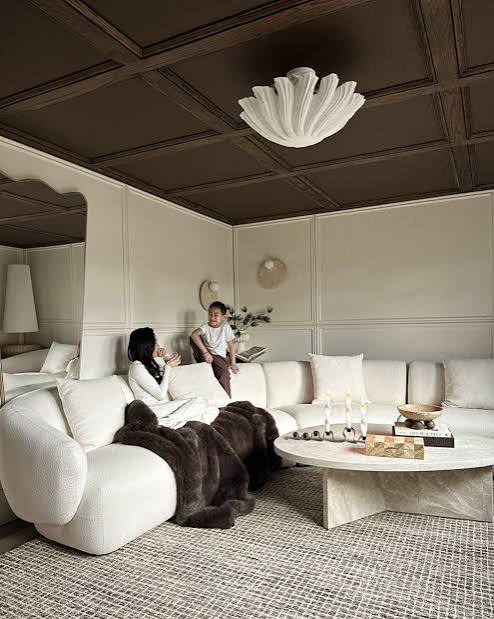
A well-designed living room does not need to be large to feel luxurious, comfortable, and inviting. As homes and apartments become more compact, homeowners are looking for creative ways to make limited spaces work without giving up attractive furniture or personal style. Thoughtful Small Layouts can transform a compact living area into a functional space that feels organized, spacious, and welcoming.
Within the broader category of Living Room Designs & Sofas, small-space planning requires careful attention to proportions, furniture placement, seating, storage, and visual balance. The goal is not simply to place smaller furniture inside a small room. Instead, every element should be selected and arranged according to the room's dimensions and the way it will be used.
Start With the Room's Natural Flow
Before choosing a sofa or moving furniture into a compact living room, consider how people move through the space. Doors, hallways, windows, and entrances naturally create traffic paths that should remain accessible.
Measure the room and identify the areas that need to stay open. This simple step can prevent furniture from blocking important pathways and can make the finished arrangement feel much more comfortable.
When planning Small Layouts, avoid focusing only on the walls. Think about the entire floor area and how people will move from one part of the home to another.
Choose a Sofa That Fits the Scale
The sofa is often the most important furniture piece in a living room. In a compact space, its proportions can determine whether the room feels balanced or overcrowded.
A sofa with a streamlined silhouette, narrow arms, and moderate depth can provide generous seating while occupying less visual space. Raised legs can also create a lighter appearance because more of the floor remains visible.
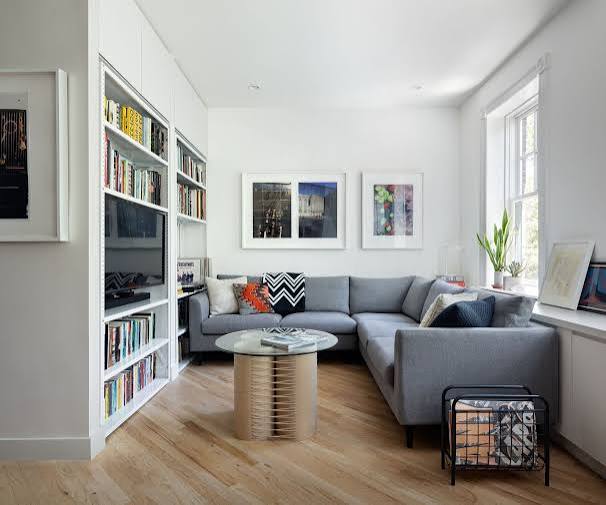
A compact sectional may work particularly well in rooms with an unused corner. Instead of combining a sofa and several separate chairs, a sectional can provide multiple seats in one coordinated design.
When selecting furniture within Living Room Designs & Sofas, always compare the sofa's dimensions with the available space before making a purchase.
Consider the Number of Seats You Actually Need
Small living rooms do not necessarily need a large number of seats. Instead of filling the space with multiple chairs, consider how many people normally use the room.
A comfortable sofa combined with one compact accent chair may be enough for a small household. An ottoman can provide flexible additional seating when guests arrive without permanently taking up as much space as another chair.
This approach creates more open floor area while still maintaining enough seating for everyday use.
Use the Corners Efficiently
Corners can provide valuable seating and storage opportunities. A correctly sized sectional can turn an unused corner into a practical seating area, while a narrow bookshelf can transform another corner into useful storage.
A small side table, floor lamp, or decorative plant may also fit into a corner without interfering with the main seating area.
However, not every corner needs furniture. Leaving selected areas open can create visual breathing room and make the entire room feel less crowded.
Successful Small Layouts depend on finding the right balance between using space and leaving space open.
Select Multifunctional Furniture
Furniture that performs more than one function can make compact living rooms considerably easier to organize.
An ottoman can serve as seating, a footrest, or a coffee table when paired with a tray. A storage bench can provide additional seating while hiding blankets, books, or other belongings.
Nesting tables are another useful option. When separated, they provide multiple surfaces; when grouped together, they occupy less floor space.
Multifunctional pieces allow homeowners to adapt their living room to different situations without introducing unnecessary furniture.
Keep Furniture Visually Light
The physical size of furniture is important, but its visual weight matters too. A bulky sofa with thick arms and a heavy base can make a small room appear more crowded.
Furniture with slimmer frames, exposed legs, and open bases can create a lighter appearance. Glass or open-frame tables can also reduce visual heaviness.
These details can make a noticeable difference when creating Small Layouts, especially when several furniture pieces must share a limited floor area.
Use the Walls to Your Advantage
When there is little floor space available, vertical areas become extremely valuable. Wall-mounted shelves, tall cabinets, and floating storage can provide organization without taking up valuable walking space.
Artwork can also be arranged vertically to draw attention upward. This can create a stronger sense of height and make the room feel more visually expansive.
Wall-mounted lighting is another smart solution. Sconces can provide useful illumination without requiring additional table or floor space.
Choose Colors That Support the Layout
A carefully selected color palette can help a compact living room feel more unified. Light neutrals such as cream, beige, ivory, and soft gray are popular choices because they reflect light and create an airy appearance.
However, small spaces can still benefit from bold colors. Instead of using strong shades across every surface, introduce them through cushions, artwork, rugs, or a single accent chair.
Using complementary tones throughout the room can prevent the space from feeling visually divided.
For Living Room Designs & Sofas, coordinating the sofa with the walls, rug, and surrounding furniture can create a more cohesive appearance.
Select a Coffee Table Carefully
A coffee table should provide functionality without interfering with movement. In a compact room, an oversized table can quickly become an obstacle.
Round or oval tables can be practical because their curved edges make it easier to move around them. A narrow rectangular table can work well when the sofa is positioned along a longer wall.
Nesting tables offer even more flexibility because they can be expanded when additional surfaces are needed and reduced when more floor space is desirable.
Create Storage Without Creating Clutter
Storage is particularly important in small living rooms. Without a place for everyday items, surfaces can quickly become cluttered.
Look for furniture that includes hidden storage, such as storage ottomans, benches, cabinets, or side tables with drawers. Floating shelves can also provide space for books and decorative objects while keeping the floor clear.
A clutter-free room will naturally feel more spacious, even when the actual dimensions have not changed.
Maximize Natural Light
Natural light can dramatically improve the atmosphere of a compact living room. Whenever possible, keep windows clear and avoid placing oversized furniture directly in front of them.
Light curtains can allow daylight to enter while maintaining privacy. Mirrors can also reflect natural light and create the impression of greater depth.
Place a mirror where it can reflect a window, an attractive piece of furniture, or another source of light. This simple design technique can make a compact room feel brighter and more open.
Layer Your Lighting
A single overhead light may not be enough to create a comfortable atmosphere. Layered lighting can make a small living room feel more sophisticated.
Combine ceiling lighting with table lamps, wall sconces, or a slim floor lamp. Different lighting sources can define areas within the room while providing flexibility for different activities.
Warm lighting can create a relaxed atmosphere in the evening, while brighter task lighting can support reading or other activities.
Keep Decoration Intentional
Decorating a small living room requires restraint. Too many accessories can overwhelm the available space and compete with the furniture.
Choose a few meaningful or visually strong pieces instead. A textured rug, statement artwork, coordinated cushions, and a small selection of decorative objects can add personality without creating clutter.
The same principle applies to furniture. A carefully selected sofa and accent chair can often create a stronger design than a room filled with unnecessary pieces.
Make Comfort the Priority
Although maximizing space is important, comfort should never be sacrificed. A living room should be somewhere people can relax, entertain, and spend time together.
Make sure the sofa provides adequate support and that there is enough room to sit, stand, and move comfortably. Tables should be positioned within easy reach without obstructing pathways.
The best Small Layouts balance practical requirements with aesthetic appeal, ensuring that the room works well every day.
Conclusion
Creating successful Small Layouts requires more than choosing compact furniture. It involves understanding the room's proportions, maintaining clear pathways, selecting a sofa that fits the available space, and using multifunctional furniture wherever possible.
Within Living Room Designs & Sofas, every piece should contribute to the overall design while supporting the way the room is used. Light visual profiles, coordinated colors, vertical storage, layered lighting, and carefully chosen accessories can help a compact living room feel larger and more comfortable.
A small living room can still have a sophisticated personality. With thoughtful planning and the right furniture choices, limited square footage can become an advantage, allowing you to create a carefully curated space that combines functionality, comfort, and timeless style.