Modern Ideas for Stylish Wall Colors & Accent Paints
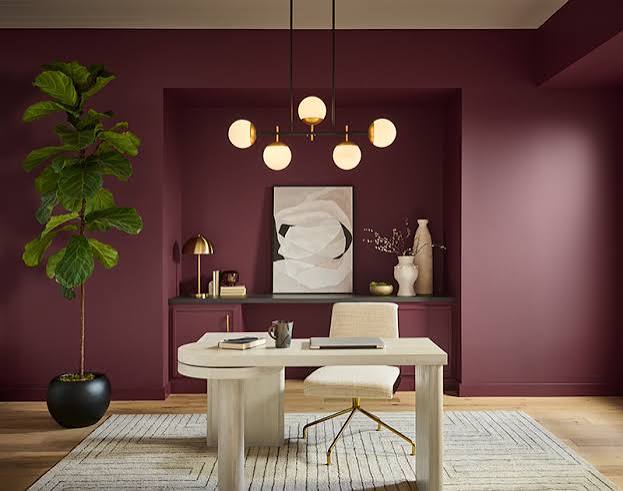
Interior paint has always been one of the easiest ways to transform a home. A new shade can change the mood of a room, highlight architectural details, and create a completely different impression without requiring major renovations. As decorating preferences continue to evolve, new Paint Trends are giving homeowners more creative ways to experiment with color, contrast, and atmosphere.
Today's approach to interior paint goes beyond simply choosing a favorite color. Homeowners are considering how shades interact with natural light, furniture, flooring, materials, and the overall purpose of each room. Within the Wall Colors & Accent Paints category, these evolving ideas make it easier to create interiors that feel personal, balanced, and contemporary.
Why Paint Trends Matter in Interior Design
Paint trends can provide inspiration when homeowners are unsure how to refresh their interiors. They introduce new combinations, finishes, and ways of using color while still leaving room for individual preferences.
Following trends does not mean that every room needs to be decorated according to the latest fashion. Instead, trends can help identify colors and techniques that may complement your existing furniture and architectural style.
The best approach is to choose ideas that fit your home while adapting them to your own taste.
Warm Colors Are Becoming More Popular
For many years, cool whites and gray interiors dominated modern design. Today, warmer shades are becoming increasingly attractive because they create a more welcoming atmosphere.
Soft beige, creamy white, warm taupe, muted terracotta, caramel, and earthy brown can make interiors feel comfortable without appearing old-fashioned.
These colors work particularly well with natural materials such as wood, stone, linen, and woven fabrics. They can also complement warm metallic finishes and soft lighting.
Nature-Inspired Colors Bring the Outdoors Inside
Nature continues to influence interior design, and this is reflected in many current Paint Trends. Shades inspired by forests, plants, soil, and natural landscapes can create a relaxing atmosphere.
Muted greens, olive, sage, earthy browns, and soft blue-green tones can work beautifully in living rooms, bedrooms, kitchens, and home offices.
Nature-inspired colors are especially effective when combined with natural wood furniture, indoor plants, woven accessories, and organic textures.
Neutral Colors Remain a Timeless Choice
Although new colors appear every year, neutrals continue to have a strong place in interior design. Cream, beige, off-white, taupe, soft gray, and greige provide flexible backgrounds that can work with different furniture styles.
Neutral walls also make it easier to change decorative accessories. A homeowner can replace cushions, artwork, rugs, or curtains without needing to repaint the entire room.
Within Wall Colors & Accent Paints, neutral shades can also serve as the foundation for stronger accent colors.
Bold Accent Walls Create Focal Points
Painting every wall in a dramatic color is not the only way to introduce bold shades. Accent walls provide a more controlled approach.
A deep green wall behind a sofa, a navy wall behind a bed, or a rich terracotta wall in a dining area can create a clear focal point without overwhelming the entire room.
Accent walls work particularly well when the selected color is already reflected in furniture, artwork, rugs, or accessories elsewhere in the room.
Two-Tone Walls Add Visual Interest
Another creative approach is to use two colors within the same room. A darker shade on the lower portion of a wall combined with a lighter shade above can create a sophisticated effect.
Two-tone designs can also be created using horizontal or vertical divisions, depending on the proportions of the room.
This technique allows homeowners to introduce more than one color while maintaining a coordinated appearance.
Earthy Tones for a Relaxed Atmosphere
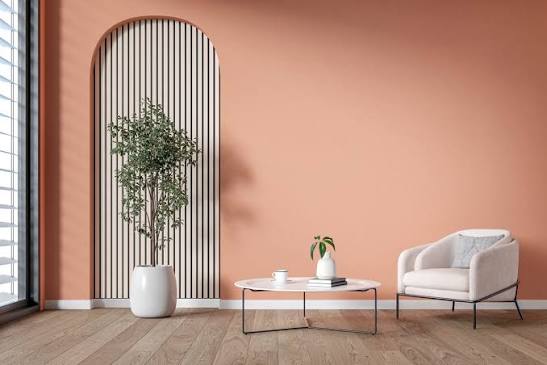
Earth-inspired shades have become increasingly popular because they create interiors that feel grounded and comfortable. Terracotta, clay, sand, muted brown, warm beige, and olive can all contribute to this style.
These shades pair naturally with wood, stone, leather, and woven materials. They can also create a welcoming environment when combined with warm lighting.
Earthy colors are particularly suitable for living rooms, bedrooms, dining spaces, and reading areas where comfort is a priority.
Dark Colors Can Add Sophistication
Dark paint is no longer limited to dramatic or formal rooms. Deep charcoal, forest green, navy, and rich brown can create sophisticated interiors when used correctly.
A dark wall can provide a beautiful backdrop for light-colored furniture, metallic details, artwork, and decorative lighting.
To prevent a dark room from feeling too enclosed, balance the color with sufficient lighting and lighter furniture or accessories.
Color-Drenched Interiors
One notable approach within modern Paint Trends is color drenching. This involves using a similar or identical color across multiple surfaces, such as walls, trim, doors, and sometimes ceilings.
Rather than breaking the room into separate color sections, the technique creates a continuous visual effect.
Soft colors can make color drenching feel calm and sophisticated, while deeper shades can create a dramatic and immersive atmosphere.
Soft Pastels for Modern Interiors
Pastel shades are another way to introduce color without creating an overwhelming appearance. Soft sage, dusty blue, pale peach, muted lavender, and gentle blush can add personality while maintaining a light atmosphere.
Modern pastel interiors often combine these colors with neutral furniture, natural materials, and simple decorative details.
Pastels can work particularly well in bedrooms, nurseries, bathrooms, and creative home offices.
Matte Finishes for a Contemporary Look
Paint color is only one part of the design. The finish can also influence the appearance of a room.
Matte finishes can provide a soft, sophisticated look because they reduce reflections and allow the color to appear more uniform. They are often used in bedrooms, living rooms, and other areas where a refined appearance is desired.
Other finishes may be more suitable for high-traffic areas or surfaces that require frequent cleaning, so practicality should always be considered alongside aesthetics.
Use the Ceiling as a Design Opportunity
Ceilings are often overlooked when selecting paint, but they can become an important part of a modern color scheme.
Instead of automatically using white, homeowners can choose a subtle neutral or a color that complements the walls. A slightly darker ceiling can create a cozy feeling, while a soft complementary shade can make the overall room feel more cohesive.
In rooms with high ceilings, a deeper ceiling color can also help create a more balanced sense of proportion.
Coordinate Paint With Furniture and Materials
One of the most important principles when following Paint Trends is to avoid choosing colors in isolation. The existing furniture, flooring, curtains, and lighting should all be considered.
For example, warm wood furniture may look particularly attractive against beige, cream, olive, or warm gray walls. Cool-toned furniture may pair better with soft gray, blue-gray, or crisp neutral shades.
Creating a relationship between the wall color and other materials helps the entire interior feel intentional.
Test Colors Before Painting
Paint samples can look very different depending on lighting and surrounding colors. A shade that looks perfect in a showroom may appear warmer, cooler, lighter, or darker at home.
Before committing to a large area, test several samples on the actual wall. Observe them during daylight and under evening lighting.
This simple step can help you understand how the color behaves in your specific space and reduce the risk of choosing a shade that does not work as expected.
Final Thoughts
Modern Paint Trends offer countless ways to refresh an interior, from warm earthy colors and nature-inspired greens to dramatic accent walls, two-tone designs, and color-drenched rooms. The key is not simply to follow every trend but to select ideas that complement your home's architecture, furniture, lighting, and personal style.
As part of the Wall Colors & Accent Paints category, contemporary paint ideas provide a flexible way to transform rooms without major renovations. Whether you prefer timeless neutrals, soft pastels, rich dark shades, or natural earthy tones, the right paint can create a space that feels stylish, comfortable, and uniquely yours.