Inspiring Wall Colors & Accent Paints for Modern Interiors
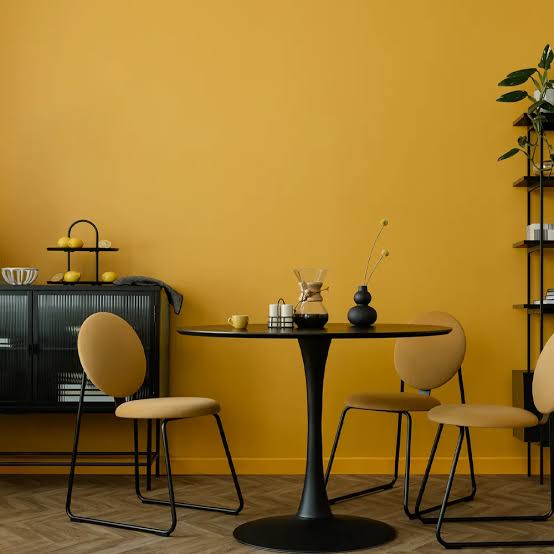
Choosing the right wall color can completely change the atmosphere of a home. From soft neutrals and earthy shades to dramatic accent walls and unexpected color combinations, today’s Paint Trends offer countless ways to create a stylish and personalized interior. Paint is no longer viewed simply as a finishing layer; it has become an important design element that can define rooms, highlight architectural features, and complement furniture.
As homeowners look for interiors that feel comfortable, expressive, and timeless, modern Wall Colors & Accent Paints are becoming more creative and versatile. Whether you are decorating a new home or refreshing an existing space, understanding the latest color directions can help you make confident design decisions.
Why Paint Trends Matter in Interior Design
Paint has a powerful visual impact. A carefully selected color can make a small room appear larger, create a cozy atmosphere, or provide a dramatic backdrop for furniture and artwork. The latest Paint Trends focus on creating spaces that feel both visually appealing and comfortable for everyday living.
Instead of following short-lived color fads, many homeowners are choosing shades that reflect their personality and work well with natural materials, textiles, lighting, and furniture. This approach makes it easier to create an interior that remains attractive for years.
Warm Neutrals Are Taking Center Stage
Neutral colors continue to be among the most popular choices for residential interiors, but warmer versions are becoming especially desirable. Cream, sand, beige, warm taupe, and soft greige can create a welcoming atmosphere without overwhelming the room.
Warm neutrals work particularly well in living rooms and bedrooms because they provide a calm foundation for furniture and decorative accessories. They can also be combined with wood, natural stone, woven fabrics, and metallic details for a balanced look.
For homeowners who want flexibility, warm neutral walls make it easier to update furniture and accessories without repainting the entire room.
Earthy Colors Bring a Natural Feeling Indoors
One of the strongest directions in contemporary Wall Colors & Accent Paints is the use of colors inspired by nature. Olive green, clay, terracotta, muted brown, sand, and warm ochre can introduce an organic character into an interior.
These shades are particularly effective when paired with natural materials. Wooden furniture, linen curtains, rattan accessories, stone surfaces, and indoor plants can all enhance the connection with nature.
Earth-inspired colors are suitable for both modern and traditional interiors, making them a versatile choice for homeowners who want a relaxed but sophisticated environment.
Bold Accent Walls Create a Strong Focal Point
Not every wall needs to have the same color. Accent walls remain an effective way to introduce personality without making an entire room feel too intense.
A deep green wall behind a sofa, a rich blue wall behind a bed, or a warm terracotta wall in a dining area can instantly become the room's focal point. The key is to select a wall that naturally deserves attention.
Accent colors can also highlight architectural elements such as fireplaces, built-in shelving, alcoves, or distinctive wall shapes. This makes paint an affordable way to emphasize features that might otherwise go unnoticed.
Soft Blues and Greens Create Relaxing Spaces
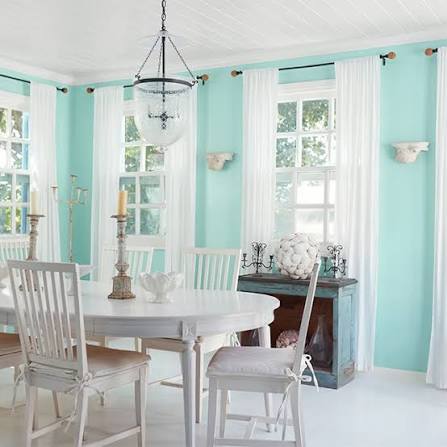
Soft blue and green shades continue to attract attention because of their calming qualities. Pale sage, dusty blue, muted teal, and soft eucalyptus can make bedrooms, bathrooms, and living areas feel peaceful and refreshing.
These colors work especially well in rooms with plenty of natural light. When combined with white or warm neutral trim, they can create a clean yet comfortable appearance.
For a more sophisticated effect, homeowners can choose muted versions instead of highly saturated colors. Subtle tones are easier to coordinate with furniture and decorative pieces.
Two-Tone Walls Add Dimension
Another interesting direction in Paint Trends is the use of two colors on the same wall. Instead of choosing a single shade, designers can divide the wall horizontally or vertically to create visual interest.
For example, a warm neutral can cover the lower portion of a wall while a lighter shade is used above it. Alternatively, a darker color can be combined with a soft neutral to create a sophisticated contrast.
Two-tone walls can be especially useful in dining rooms, children's rooms, hallways, and creative workspaces. They offer a distinctive appearance without requiring complicated architectural changes.
Dark Paint Colors Add Sophistication
Dark colors are no longer limited to large formal spaces. Deep navy, charcoal, forest green, chocolate brown, and similar shades can create an elegant and intimate atmosphere.
Dark Wall Colors & Accent Paints work particularly well when balanced with lighter furniture, warm lighting, mirrors, and metallic accents. They can also make artwork and decorative objects stand out.
When using a dark shade, consider the room's natural and artificial lighting. A well-lit space can handle stronger colors more easily, while smaller or darker rooms may benefit from using a dramatic color on only one wall.
Color Drenching Creates a Seamless Look
Color drenching is another approach gaining popularity in contemporary interiors. Instead of painting only the walls, the same or a closely related shade is applied to multiple surfaces, including trim, doors, and sometimes ceilings.
This technique creates a unified appearance and can make architectural details feel more intentional. A soft earthy shade throughout a bedroom, for example, can create a cozy and immersive environment.
Color drenching can work with both bold and subtle colors depending on the desired mood.
Paint Finishes Matter as Much as Color
Choosing a color is only part of the process. The finish can influence how that color looks and performs.
Matte finishes can provide a soft, sophisticated appearance, while eggshell and satin finishes offer a subtle level of sheen and are often practical for frequently used areas. Higher-sheen finishes can also be useful for emphasizing architectural details such as doors, trim, and decorative elements.
The best finish depends on the room, surface, lighting, and level of durability required.
How to Choose the Right Paint Trend for Your Home
Following current Paint Trends does not mean copying a particular style exactly. Instead, use trends as inspiration while considering your home's existing design.
Start by looking at the furniture, flooring, curtains, and accessories already present in the room. Choose a wall color that complements these elements rather than competing with them.
It is also important to test paint samples before committing to a color. Natural daylight, evening lighting, and artificial bulbs can all change how a shade appears.
Finally, consider the mood you want to create. Soft neutrals are ideal for calm and flexible spaces, earthy shades provide warmth, while darker colors can deliver drama and sophistication.
Conclusion
The latest Paint Trends offer exciting opportunities to transform interiors through color, contrast, texture, and creative application. From warm neutrals and nature-inspired shades to bold accent walls, two-tone combinations, and color-drenched rooms, there are options for almost every decorating style.
When choosing Wall Colors & Accent Paints, the best approach is to balance current inspiration with your home's architecture, lighting, furniture, and personal taste. With the right color and finish, even a simple painted wall can become a defining feature that makes a room feel more inviting, stylish, and complete.