Transform Your Interior With Depth, Style, and Personality
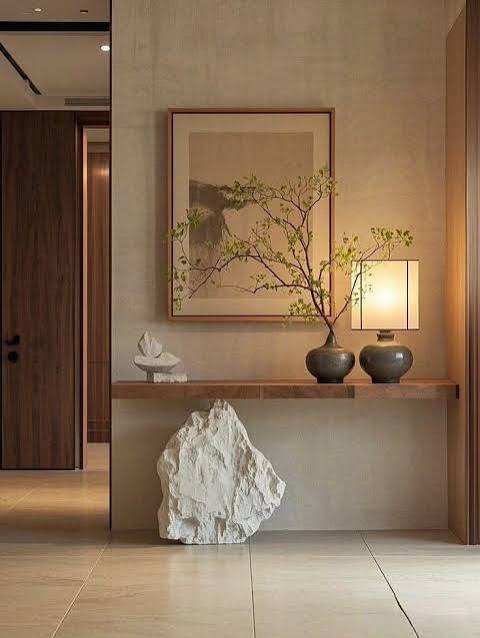
A beautifully decorated home is not defined only by its furniture, flooring, or accessories. The walls themselves can play an important role in establishing the personality of an interior. While standard painted walls provide a clean backdrop, Textured Walls can introduce depth, movement, and visual character that instantly makes a space more distinctive.
Wall texture can range from subtle finishes that are barely noticeable to dramatic surfaces that become the main feature of a room. With the right choice, texture can complement contemporary, classic, rustic, minimalist, or luxurious interiors. It can also be combined with different shades and finishes to create a more customized look.
As part of the Wall Colors & Accent Paints category, textured wall treatments give homeowners another way to personalize their interiors. Instead of choosing only a color, you can create a wall that combines color, pattern, material, and dimension.
Why Add Texture to Your Walls?
Flat walls can sometimes leave a room feeling unfinished, especially when the interior has limited architectural detail. Texture provides an opportunity to introduce visual interest without filling the space with additional decorations.
A textured surface can catch natural and artificial light differently throughout the day. Raised areas may reflect light, while recessed areas create shadows. This subtle variation can make the wall appear more dynamic.
Texture can also help establish a focal point. A single textured wall behind a sofa, bed, or dining table can immediately draw attention to a particular area.
Different Ways to Create Wall Texture
There are many techniques and materials available for creating textured surfaces. Decorative plaster is a popular option for homeowners who want an artistic, handcrafted appearance. It can range from smooth and subtle to heavily layered.
Wall panels offer another option. Depending on their material and pattern, panels can create geometric, linear, three-dimensional, or natural effects.
Textured wallpaper is also useful for people who want a quicker decorative transformation. Modern wallpaper designs can imitate wood, stone, fabric, plaster, and other materials.
Other possibilities include stone-inspired finishes, concrete effects, wood slats, and specialty paint techniques. The right option depends on the desired appearance, budget, and maintenance requirements.
Make the Living Room More Dynamic
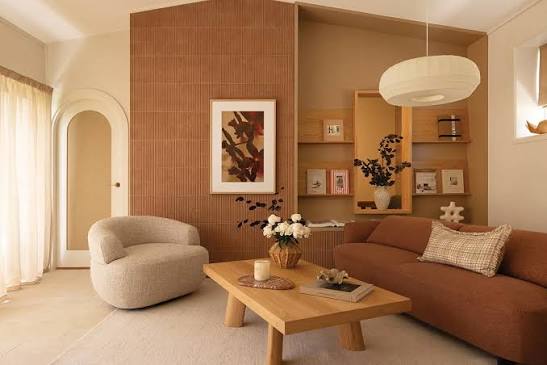
The living room is often the central gathering space in a home, making it an ideal location for Textured Walls. A feature wall can provide a strong backdrop for a sofa, television, fireplace, or artwork.
For a sophisticated look, consider a subtle plaster texture in a warm neutral shade. For a contemporary interior, concrete-inspired surfaces or geometric panels can create a modern focal point.
If the living room already contains patterned furniture or colorful accessories, choose a simpler wall texture. This prevents the room from becoming visually overwhelming.
Create a Distinctive Bedroom Feature
The wall behind the bed is naturally one of the strongest focal points in a bedroom. Adding texture to this area can create a sense of depth while giving the room a more finished appearance.
Vertical wood panels can emphasize ceiling height, while soft fabric-inspired textures can contribute to a cozy atmosphere. Decorative plaster can provide a more elegant and understated effect.
Color also matters. Warm neutrals such as beige, taupe, and creamy white can maintain a relaxing atmosphere, while darker shades can create a dramatic and intimate bedroom.
Use Texture to Define Dining Areas
In open-plan homes, different functional areas sometimes blend into one another. A textured accent wall can help visually define a dining area without requiring a physical partition.
A wall behind the dining table can feature wood, stone, plaster, or another decorative treatment. When paired with a statement pendant light, the textured surface can become an attractive focal point.
The wall finish should complement the dining furniture. For example, natural textures can work well with wooden tables, while sleek geometric panels may suit contemporary dining sets.
Transform an Entryway
The entryway is the first interior space visitors see, so it deserves attention. A textured wall can immediately make the entrance feel more intentional and designed.
A subtle texture behind a console table can provide a sophisticated background for a mirror, artwork, or decorative accessories. For smaller entryways, light-colored textures can add interest without making the area feel crowded.
A carefully selected wall treatment can also create a transition between the entrance and the rest of the home.
Pair Texture With Neutral Colors
Neutral colors and textured surfaces are a natural combination. Since neutral shades are relatively understated, they allow the surface pattern to become more noticeable.
Cream, beige, taupe, warm gray, and soft white can all work beautifully with textured finishes. Instead of relying on bold colors to create interest, homeowners can use texture to add dimension.
This approach fits naturally within Wall Colors & Accent Paints, where color and surface treatment can be used together to create a cohesive interior.
Create Contrast With Darker Shades
Texture can become especially dramatic when combined with deeper colors. Charcoal, deep brown, dark green, navy, and other rich tones can emphasize the shadows within a textured surface.
However, darker textured walls should be used thoughtfully. In smaller or poorly lit rooms, they may make the space feel more enclosed.
One solution is to use a darker texture on a single accent wall while keeping the surrounding walls lighter. Adequate lighting can further prevent the area from appearing too dark.
Let Lighting Highlight the Texture
The appearance of a textured wall depends heavily on lighting. A surface that looks subtle during the day may become dramatically more pronounced under directional evening lighting.
Wall sconces can cast light across the surface, emphasizing raised patterns. Spotlights can highlight specific sections, while concealed lighting can create a softer glow.
When planning the wall treatment, think about both natural and artificial light. The position of windows, lamps, and ceiling fixtures can affect the final appearance considerably.
Combine Textured Walls With Furniture
A textured wall should complement the furniture rather than compete with it. If the wall has a strong geometric pattern, choose furniture with relatively simple lines.
If the texture is subtle, you can introduce more decorative furniture and accessories.
For example, a sophisticated plaster wall can provide an elegant backdrop for an upholstered sofa, while a natural wood wall can complement leather furniture and woven accessories.
Maintaining a visual relationship between the wall and furniture helps create a cohesive interior.
Add Texture Without Overdoing It
Although texture can make a room more interesting, using too many different textures can create visual clutter. A successful interior usually has a clear hierarchy.
Choose one main textured feature and allow other surfaces to support it. If the wall is highly decorative, keep nearby accessories relatively simple.
You can still create variety through soft furnishings and materials, but try to repeat complementary textures rather than introducing unrelated patterns everywhere.
Maintenance and Durability
The practical side of textured walls should also be considered. Some heavily textured finishes can collect dust and may be more difficult to clean than smooth paint.
In busy areas such as hallways and family rooms, durable finishes may be preferable. Kitchens and bathrooms require additional consideration because humidity and moisture can affect certain materials.
Before installation, check the recommended cleaning method and durability of the chosen finish. Proper preparation and installation can also help ensure a longer-lasting result.
Textured Walls as a Long-Term Design Choice
A successful wall treatment should complement the home rather than depend entirely on a temporary trend. Neutral textures, natural materials, and simple geometric patterns are often easier to maintain visually over time.
If you enjoy changing your décor regularly, consider a versatile texture that can work with different furniture and accessory colors.
This makes it possible to refresh the room without replacing the entire wall treatment.
Final Thoughts
Textured Walls provide an effective way to bring depth and individuality to an interior. From decorative plaster and wood panels to stone-inspired finishes and textured wallpaper, homeowners have countless ways to transform ordinary surfaces into attractive design features.
As part of Wall Colors & Accent Paints, textured treatments allow color and dimension to work together. Whether you want a subtle neutral backdrop, a dramatic accent wall, or a natural material-inspired finish, texture can help create a more layered and sophisticated home.
With careful attention to room size, lighting, furniture, color, and maintenance, textured walls can become a stylish feature that adds character and lasting visual appeal to almost any interior.