Transform Empty Walls Into Stylish Modern Features
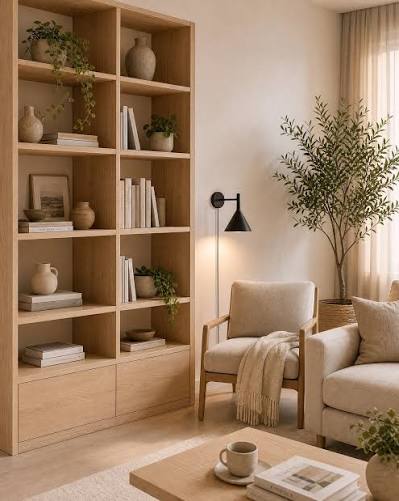
Interior design is often about creating a balance between functionality and visual appeal. While sofas, tables, beds, and storage pieces provide the foundation of a room, decorative details give the space its personality. Among the most effective decorative elements, Wall Art can instantly change the way a room looks and feels.
A blank wall provides a large canvas for creativity. With the right painting, print, sculpture, photograph, or decorative panel, an empty surface can become a striking feature. As one of the most versatile Modern Decor Accessories, wall decoration can complement different interior styles while adding color, texture, depth, and character.
Whether you are designing a contemporary apartment, refreshing a traditional home, or creating a sophisticated office, understanding how to select and arrange artwork can help you achieve a polished result.
Wall Art as an Essential Interior Design Element
Artwork is sometimes considered the final step in decorating, but it can actually influence many of the design decisions made throughout a room. The colors and visual style of a painting can inspire accent colors for cushions, rugs, curtains, and accessories.
A well-positioned piece of Wall Art can also establish a focal point. Instead of allowing the eye to move randomly around a room, artwork gives it a clear destination and helps organize the visual composition.
For this reason, artwork should be selected according to the room's size, furniture arrangement, color palette, and overall atmosphere.
Choose Between Different Types of Wall Decoration
There is no single definition of modern wall decoration. Homeowners can choose from a wide range of options depending on their preferences.
Abstract paintings are ideal for adding artistic expression, while minimalist prints can support a clean interior. Photography can bring a sophisticated or personal touch, and botanical artwork can introduce natural elements.
For those who want something more dimensional, metal sculptures, wooden panels, woven decorations, and other textured pieces can create visual depth.
Mixing different types of artwork can also produce an interesting layered effect when the pieces share a common color palette or theme.
Make a Statement With Oversized Artwork
Large artwork can be particularly effective in spacious rooms. Instead of decorating a wide wall with numerous small pieces, one oversized design can provide a strong focal point.
A large painting above a sofa or bed can anchor the entire room. Similarly, oversized artwork can make an entryway or dining area feel more sophisticated.
When choosing a large piece, pay attention to proportion. The artwork should relate visually to the furniture beneath it. A very small piece above a large sofa may look lost, while an oversized design can overwhelm a compact room.
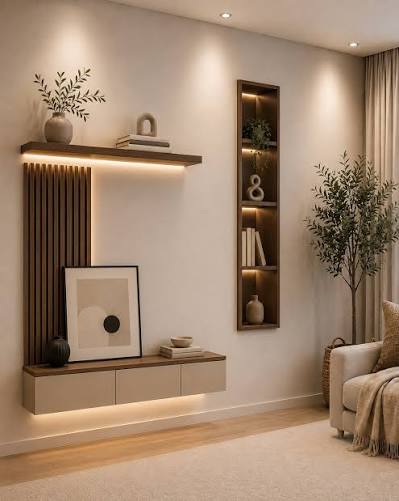
Build a Gallery Wall With Personality
If you prefer variety, a gallery wall offers an opportunity to display multiple pieces together. It can include family photographs, contemporary prints, paintings, illustrations, and small decorative objects.
The secret to a successful gallery wall is creating a sense of connection. This can be achieved through matching frames, a consistent color palette, similar subjects, or a repeating design element.
A symmetrical layout creates a more formal appearance, while an asymmetrical arrangement feels relaxed and creative. Before installation, arrange the pieces on the floor to test different compositions.
Use Wall Art to Introduce Color
One of the easiest ways to refresh a neutral interior is through artwork. A room decorated in beige, cream, gray, or white can gain energy from a colorful focal piece.
Instead of introducing many new colors throughout the room, use artwork to establish one or two accent shades. These colors can then be repeated through cushions, rugs, vases, or other Modern Decor Accessories.
This creates continuity without making the room look overly coordinated.
Add Texture for Greater Visual Interest
Color is not the only way to make walls interesting. Texture can be equally powerful.
Three-dimensional wall sculptures, carved wood, woven artwork, textured panels, and metal designs can create shadows and depth. These pieces can be particularly attractive in modern interiors that use simple furniture and neutral colors.
Texture can also make a space feel warmer and more layered without requiring dramatic colors.
Wall Art for Contemporary Living Rooms
The living room is usually one of the most visible areas of a home, making it an excellent place for expressive artwork.
A large abstract painting can sit above the main sofa, while a collection of smaller framed pieces can decorate a side wall. If the furniture has a strong design, choose artwork that complements its shape and color instead of competing with it.
For minimalist living rooms, simple artwork with plenty of negative space can reinforce the clean aesthetic. More eclectic spaces can accommodate bolder combinations.
Create a Peaceful Bedroom With Artwork
The bedroom should feel comfortable and relaxing. Artwork can contribute to this atmosphere when the colors and subject matter are carefully selected.
Soft landscapes, botanical designs, muted abstracts, and minimalist compositions can work particularly well. Neutral or earthy shades can create a warm environment, while soft blues and greens may contribute to a refreshing feeling.
Positioning one main piece above the headboard is a simple way to create visual balance without filling every wall.
Enhance Dining Rooms and Entryways
Wall decoration can give dining rooms a more finished appearance. A large artwork above a sideboard or console can create a sophisticated focal point, while smaller coordinated pieces can add personality.
Entryways are another opportunity to use artwork creatively. A striking piece positioned above a console table can immediately communicate the home's design style.
Because these areas are often smaller, avoid using too many pieces at once. A carefully selected focal point can be more effective than a crowded arrangement.
Combine Wall Art With Other Accessories
Artwork becomes even more effective when it is integrated with other decorative elements. Mirrors, shelves, lamps, plants, sculptures, and decorative objects can work together to create depth.
For example, a large artwork above a console can be combined with a table lamp, a vase, and a small sculpture. The arrangement creates different heights and textures while maintaining a clear focal point.
However, balance is important. Too many competing objects can reduce the impact of the main artwork.
Pay Attention to Lighting
The right lighting can make artwork stand out. Natural light changes throughout the day, while artificial lighting can emphasize certain colors and textures at night.
Picture lights and adjustable spotlights can direct attention toward specific pieces. Wall sconces can also serve two purposes by providing illumination while functioning as decorative features.
Before installing artwork, observe how natural and artificial light interact with the wall. This can help you choose the ideal location.
Select Artwork That Can Evolve With Your Home
Trends change, but good artwork can remain relevant for many years. Instead of choosing a piece simply because it is currently fashionable, consider whether it fits your personal taste and existing interior.
Neutral and versatile artwork can easily adapt when furniture or wall colors change. More distinctive pieces can become signature elements that define a room.
You can also refresh a space by changing the artwork seasonally or moving pieces between rooms.
Conclusion
Wall Art provides an easy and creative way to transform an interior without making major structural changes. It can introduce color, texture, movement, personality, and visual balance while turning empty walls into meaningful design features.
As part of Modern Decor Accessories, wall decoration can work alongside furniture, lighting, mirrors, plants, and other decorative elements to create a complete interior. From oversized statement paintings and gallery walls to sculptural and textured designs, there are options for every room and decorating preference.
By considering scale, placement, color, texture, and lighting, you can choose artwork that enhances your home rather than simply occupying an empty wall. The result is a more cohesive, expressive, and welcoming interior where every decorative detail has a purpose.