Modern Decor Accessories: Creative Ideas to Elevate Your Home
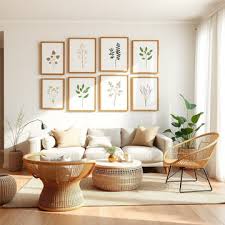
Decorating a home involves much more than selecting beautiful furniture. The walls provide an opportunity to introduce personality, color, texture, and visual balance to every room. Empty walls can sometimes make a carefully furnished space feel incomplete, while thoughtfully selected Wall Art can instantly give the interior a finished and distinctive appearance.
As an important part of Modern Decor Accessories, wall decoration can complement furniture, emphasize architectural features, and establish a particular mood. Whether you prefer minimalist interiors, contemporary spaces, glamorous rooms, or warm transitional designs, the right artwork can become an important part of the overall decorating scheme.
The Role of Wall Art in Interior Design
Walls cover a large portion of any room, which means their appearance can strongly influence the atmosphere. Furniture establishes the functional layout, while artwork adds another visual layer that can communicate style and personality.
The right Wall Art can serve several purposes at once. It can create a focal point, introduce an accent color, fill an unusually large wall, or connect different elements within the room.
Rather than treating artwork as an afterthought, consider it part of the original decorating plan. This approach makes it easier to create a coordinated interior where furniture, lighting, accessories, and walls work together.
Choose Artwork According to Your Decorating Style
Every interior style has different artistic possibilities. Modern homes often benefit from abstract compositions, geometric prints, monochromatic artwork, and clean-lined designs.
For a softer contemporary interior, botanical prints and nature-inspired artwork can introduce organic shapes without making the room feel overly decorated. If the space has glamorous furniture, artwork featuring metallic details or dramatic colors can reinforce the luxurious atmosphere.
The goal is not to match every element perfectly. Instead, choose artwork that shares a visual connection with the room while still adding something interesting.
Make a Large Wall the Main Attraction
Large empty walls can be challenging to decorate. Hanging several small pieces without a clear arrangement may make the area feel cluttered, while leaving the wall completely empty can create an unfinished appearance.
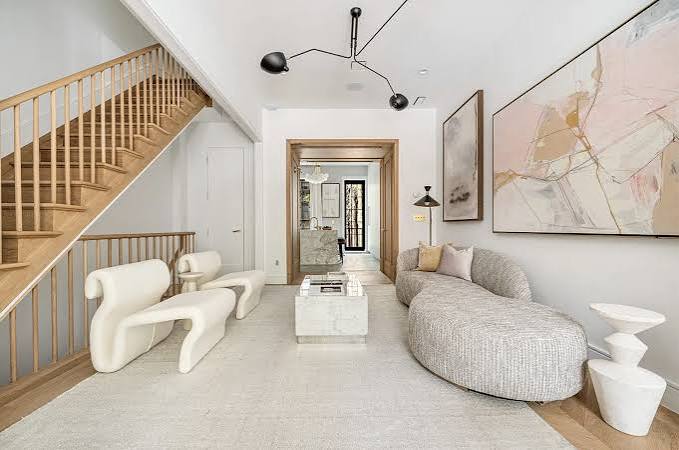
An oversized piece of Wall Art can provide an effective solution. A large abstract painting, contemporary canvas, photographic print, or decorative panel can become an instant focal point.
Large artwork is particularly effective above a sofa, bed, dining table, fireplace, or wide console. Before purchasing a piece, measure the available wall area and the furniture below it to ensure the proportions feel balanced.
Build a Personalized Gallery Wall
A gallery wall allows you to combine different pieces into one creative display. It can include family photographs, artwork, illustrations, typography, mirrors, and small decorative objects.
For a polished result, establish a visual connection between the pieces. Similar frames can create consistency, while a shared color palette can make different styles feel like part of one collection.
If you prefer a more relaxed appearance, mix frame sizes and orientations. Begin by planning the arrangement before attaching anything to the wall. This makes it easier to experiment with spacing and positioning.
Use Color to Enhance Your Interior
Color is one of the easiest ways for Wall Art to influence the overall atmosphere of a room. Artwork can repeat an existing accent color or introduce an entirely new shade.
For example, a neutral living room can gain energy from artwork featuring deep blue, green, terracotta, or mustard accents. In a colorful room, neutral artwork can provide a visual break and prevent the space from becoming overwhelming.
When selecting colors, look at the room as a whole. Consider the sofa, curtains, rug, cushions, flooring, and other Modern Decor Accessories before making your final choice.
Add Texture With Three-Dimensional Wall Decor
Artwork does not have to be limited to framed paintings and printed images. Three-dimensional wall pieces can introduce texture and depth while creating a more dynamic appearance.
Metal wall sculptures, carved wood designs, woven pieces, ceramic decorations, and dimensional geometric forms can all add character to a modern interior.
Textured wall decoration works especially well in neutral spaces. When the color palette is simple, differences in material and surface can prevent the room from looking flat.
Decorating the Living Room With Wall Art
The living room is often the best place to make a statement. Because it is typically one of the largest rooms in a home, it can accommodate substantial artwork and layered decorative arrangements.
One popular option is placing a large artwork above the sofa. Another is creating a symmetrical arrangement of several framed pieces around a central design element.
When decorating the living room, avoid selecting artwork that is completely disconnected from the furniture. Instead, look for colors, shapes, or materials that complement the existing design.
Create a Calm Bedroom With Thoughtful Artwork
Bedrooms benefit from artwork that supports relaxation. Soft landscapes, abstract designs with muted colors, botanical illustrations, and minimalist compositions can create a peaceful environment.
A large piece positioned above the headboard can provide a strong focal point without requiring additional decoration. Alternatively, two coordinated pieces placed beside the bed can create symmetry.
Avoid choosing artwork that feels visually aggressive if the goal is to create a calm bedroom. Softer colors and simpler compositions can contribute to a more comfortable atmosphere.
Enhance Dining Areas and Hallways
Dining rooms and hallways are sometimes overlooked when decorating with artwork. However, these spaces can benefit greatly from carefully selected pieces.
A dramatic artwork above a dining console or sideboard can give the area a sophisticated character. In a hallway, a sequence of smaller artworks can create visual rhythm and make the passageway feel more intentional.
These areas are also ideal for experimenting with artistic styles that may not fit elsewhere in the home.
Combine Wall Art With Other Decorative Elements
A successful interior usually includes more than one type of decoration. Combining artwork with mirrors, decorative lighting, shelves, plants, and accessories can create depth.
For example, a console table can be paired with a large artwork above it, a table lamp on one side, and a small decorative object on the other. This arrangement creates multiple visual levels while maintaining a clear focal point.
The key is moderation. Too many decorative elements can compete for attention, so give important pieces enough space to stand out.
Think About Lighting
Lighting can dramatically affect how artwork appears. Natural daylight may reveal colors differently from warm evening lighting, while directional lighting can highlight textures and details.
Picture lights, wall sconces, and adjustable spotlights can be used to emphasize important artwork. However, artwork should be protected from excessive direct sunlight when the material is sensitive to fading.
When planning your decoration, consider both daytime and nighttime conditions.
Choose Quality and Personal Meaning
Trends can provide inspiration, but personal preference should remain an important part of the decision. Artwork that has emotional meaning or reflects your interests can make a home feel more personal.
Quality is also worth considering. Well-made frames, durable materials, and good printing or finishing can improve the overall appearance and longevity of your decorative pieces.
You do not need to fill every wall. Sometimes one carefully selected piece can have a greater impact than several unrelated decorations.
Conclusion
Wall Art can transform the character of an interior by adding color, texture, personality, and visual focus. From oversized contemporary artwork and gallery walls to sculptural pieces and minimalist prints, there are many creative ways to decorate your walls.
As part of Modern Decor Accessories, wall decoration works best when it complements furniture, lighting, colors, and other elements throughout the room. By paying attention to scale, composition, placement, and personal style, you can turn empty walls into attractive features that make your home feel complete.
Whether you are updating one room or redesigning your entire home, thoughtful wall decoration can provide an easy and effective way to express your style and create a more inviting modern interior.